Showing posts with label Food and Drug Administration FDA. Show all posts

Wednesday, 24 July 2013

What Is Xanax/Alprazolam?

Xanax (Alprazolam) is a commonly prescribed drug to help alleviate symptoms of anxiety and panic. It's manufactured by Pfizer Inc.


Xanax belongs to a class of drugs called benzodiazepines, which are central nervous system depressants that work by enhancing the effect of the neurotransmitter "gamma-aminobutyric acid" (GABA).

GABA is essentially the brain's tranquilizing neurotransmitter. Xanax binds to certain sites on the GABAA gamma-amino-butyric acid receptor, slowing down activity in the brain, producing a calming effect.

Xanax is a benzodiazepine with a very fast onset of action. Most people feel its effects kick-in within 20 minutes of ingestion - peak effects of the drug are normally achieved within an hour.

Initially approved by the US FDA in 1981 for the treatment of anxiety, Xanax became the first FDA-approved drug for panic disorder therapy in 1990.

Since its approval the drug has become one of the most prescribed, yet also one of the most misused benzodiazepines available - because of its high potential for abuse and dependence.

Medical uses of Xanax

Xanax is one of America's most popular anti-anxiety medications.

Xanax is primarily used to treat panic and anxiety disorders, such as social anxiety disorder (SAD) and generalized anxiety disorder (GAD). Xanax is also used to alleviate nausea after chemotherapy.

According to the FDA, "Demonstrations of the effectiveness of XANAX by systematic clinical study are limited to 4 months duration for anxiety disorder and 4 to 10 weeks duration for panic disorder."

Managing anxiety

The FDA has approved Xanax for short-term treatment of anxiety and for the management of certain anxiety disorders. Several high quality studies have demonstrated its efficacy in reducing anxiety.

A large-scale double blind study found that Xanax was effective in improving symptoms of anxiety in 151 anxious outpatients; the results of the study, published in the American Journal of Psychiatry, revealed that "alprazolam and diazepam produced similar clinical improvement, which was significantly larger than improvement produced by placebo and was clearly evident after only 1 week of treatment."

Panic disorder

Xanax is considered to be an effective medication for panic attacks. However, due to its potential for abuse it is not a first line treatment option. One study, published in the Journal of Clinical Psychopharmacology, concluded that "evidence fails to demonstrate alprazolam as superior to other benzodiazepines for the treatment of panic disorder."

A report in the Primary Care Companion Journal of Clinical Psychiatry noted that for treatment of panic disorder "four drug classes have similar efficacy (tricyclic antidepressants, selective serotonin reuptake inhibitors [SSRIs], benzodiazepines, and monoamine oxidase inhibitors)."

The World Federation of Societies of Biological Psychiatry (WFSBP) only recommends the use of Xanax for the treatment of panic disorder when the patient shows no history of tolerance or dependence.

Precautions

Pregnant women should not take Xanax as it can cross the placenta and affect the fetus, increasing the risk of congenital abnormalities. In addition, taking Xanax during the last trimester of pregnancy can result in fetal drug dependence.

Doctors should be especially careful with patients who have a history of drug dependence when considering Xanax therapy.

Side effects of Xanax may include:

- Dry mouth
- Slurred speech
- Drowsiness
- Disinhibition
- Skin rash
- Constipation
- Hallucinations (very rare)

Dependence and withdrawal

Xanax - like all other benzodiazepines - binds to certain GABA receptors (called benzodiazepine receptors), prolonged use of the drug can eventually cause adaptive changes in these receptors, making them less sensitive to the drug's effect. When this occurs a higher dosage of Xanax is required for the same initial effect to be felt, increasing the risk of physical dependence and tolerance.

According to a paper published in the journal Addiction:

"Physiological dependence on benzodiazepines can occur following prolonged treatment with therapeutic doses, but it is not clear what proportion of patients are likely to experience a withdrawal syndrome."

"Withdrawal from normal dosage benzodiazepine treatment can result in a number of symptomatic patterns. The most common is a short-lived "rebound" anxiety and insomnia, coming on within 1-4 days of discontinuation, depending on the half-life of the particular drug. The second pattern is the full-blown withdrawal syndrome, usually lasting 10-14 days; finally, a third pattern may represent the return of anxiety symptoms which then persist until some form of treatment is instituted."

Signs and symptoms of Xanax dependence include:

- Being unable to cope without the medication
- Severe withdrawal symptoms in between doses
- Tolerance to the effects of the drug
- Unsuccessful attempts to stop taking the drug

Withdrawal symptoms include:

- Increased anxiety
- Depression
- Trouble sleeping
- Depersonalization
- Tremors
- Headache
- Muscle pains
- Hypersensitivity to touch
- Shakiness
- Twitching

It is important to taper off Xanax gradually, otherwise there is a risk of benzodiazepine withdrawal syndrome.

Monday, 15 July 2013

Do clinical trials work? It depends on what you mean by “work”

One of the issues I discussed at our SBM workshop was something I’ve written before, namely the “methodolatry” that sometimes infests evidence-based medicine (EBM), “Methodolatry” has been defined as the profane worship of the randomized clinical trial (RCT) as the only valid method of clinical investigation, and it’s a symptom of the way that EBM relegates basic science knowledge, even well-established principles of science that show that something like, say, homeopathy or reiki is impossible under the current understanding of physics, chemistry and biology. However, never let it be said that RCTs aren’t actually important in SBM. Our problem with how EBM worships them derives from how it even bothers to do trials in the first place of modalities that can best be described by Harriet Hall’s brilliant appellation, Tooth Fairy Science. However, these days RCTs are widely perceived to have a serious problem. They have become so expensive to do and there have been so many failures of drugs that looked promising to show efficacy in clinical trials that some have even questioned whether there is something fundamentally wrong with how we do clinical trials now. Some even ask, as the title of an article by Clifton Leaf that appeared in the New York Times over the weekend, Do Clinical Trials Work?

It begins with the story of Avastin in brain tumors. I’m sure that Eric Merola will likely jump all over this, given how he tried to use the example of Avastin being approved for glioma on fast track approval that used phase II trials as the basis for doing so as an argument for why antineoplastons should be approved by the FDA. Or maybe he won’t. Here’s why. The story explains that there were two single-arm trials of adding Avastin to glioma therapy in which the tumors “shrank and the disease seemed to stall for several months when patients were given the drug.” Then Clifton points out the results of the randomized clinical trial presented at the American Society of Clinical Oncology (ASCO) meeting a month and a half ago:

But to the surprise of many, Dr. Gilbert’s study found no difference in survival between those who were given Avastin and those who were given a placebo.

Disappointing though its outcome was, the study represented a victory for science over guesswork, of hard data over hunches. As far as clinical trials went, Dr. Gilbert’s study was the gold standard. The earlier studies had each been “single-arm,” in the lingo of clinical trials, meaning there had been no comparison group. In Dr. Gilbert’s study, more than 600 brain cancer patients were randomly assigned to two evenly balanced groups: an intervention arm (those who got Avastin along with a standard treatment) and a control arm (those who got the latter and a placebo). What’s more, the study was “double-blind” — neither the patients nor the doctors knew who was in which group until after the results had been assessed.

The centerpiece of the country’s drug-testing system — the randomized, controlled trial — had worked.

This study could certainly be taken as evidence supporting a position that we shouldn’t approve drugs based on single-arm phase II clinical trials, even under fast track. It is indeed a very good example of how promising phase II clinical trial results are not always validated when the bigger and more rigorous phase III RCTs are performed. In one way, it is a good thing. Negative results, be they experimental or clinical trial, are just as important in science as positive results, if not more so. In another way, however, it’s a bad thing because, as the NYT article points out, “doctors had no more clarity after the trial about how to treat brain cancer patients than they had before.” A seemingly promising addition to the armamentarium against a deadly cancer that has too few effective treatments was shown not to work in an RCT that was designed to be, more or less, definitive. However, the key thing to remember about such an RCT is that it is looking at populations of patients. Overall, there was no difference in overall survival between the control and Avastin group, but that doesn’t necessarily mean that Avastin is useless against glioma.

Indeed, as someone who’s been studying angiogenesis and how to target it therapeutically in cancer since the heady days of the late 1990s, when findings by Judah Folkman and other pioneers in this field led to headlines in the lay press like “The Cure for Cancer” and it really did look as though the discovery that inhibiting angiogenesis produced dramatic results and outright cures in preclinical rodent models of cancer. Over the years, the study of angiogenesis has been gradually de-emphasized in my research, correlating inversely with the rise of other interests, but I do have a small project in targeting tumor-induced angiogenesis still ongoing and hope to publish on it before the end of the year. In any case, reality shut down those heady days, as it became clear that Avastin and other antiangiogenics were not as nontoxic in humans as they were in mice, nor were they nearly as effective. Still, it is clear that Avastin has contributed to significant increases in median survival in a number of tumor types, such as colorectal cancer. However, overall it’s hard not to conclude that antiangiogenic therapy has been, by and large, a disappointment, if only because the hype and hope were so sky-high 15 years ago. Rare indeed would have been the treatment that could have lived up to such expectations when tested in RCTs.

One thing that has been apparent for quite some time is that there appears to be a subset of patients who have remarkable responses to Avastin. Many oncologists get this feeling anecdotally, even if they don’t have evidence, and evidence has popped up in clinical trials. Assuming this is true, while it might not now make sense to treat all or most glioma patients with Avastin, it might very well make sense to treat that subset who have such dramatic responses if we could identify them beforehand. There’s the rub, though. We can’t, and Leaf points this out:

Some patients did do better on the drug, and indeed, doctors and patients insist that some who take Avastin significantly beat the average. But the trial was unable to discover these “responders” along the way, much less examine what might have accounted for the difference. (Dr. Gilbert is working to figure that out now.)

Indeed, even after some 400 completed clinical trials in various cancers, it’s not clear why Avastin works (or doesn’t work) in any single patient. “Despite looking at hundreds of potential predictive biomarkers, we do not currently have a way to predict who is most likely to respond to Avastin and who is not,” says a spokesperson for Genentech, a division of the Swiss pharmaceutical giant Roche, which makes the drug.

That we could be this uncertain about any medicine with $6 billion in annual global sales — and after 16 years of human trials involving tens of thousands of patients — is remarkable in itself. And yet this is the norm, not the exception. We are just as confused about a host of other long-tested therapies: neuroprotective drugs for stroke, erythropoiesis-stimulating agents for anemia, the antiviral drug Tamiflu — and, as recent headlines have shown, rosiglitazone (Avandia) for diabetes, a controversy that has now embroiled a related class of molecules. Which brings us to perhaps a more fundamental question, one that few people really want to ask: do clinical trials even work? Or are the diseases of individuals so particular that testing experimental medicines in broad groups is doomed to create more frustration than knowledge?

While it’s an excellent point that we don’t have predictive biomarkers (say, something in the blood we could measure) that tell us which patients are most likely to respond to Avastin (or most other drugs), Leaf seems to be indulging in a false dichotomy. Just because we don’t have predictive biomarkers for various drugs does not imply that clinical trials don’t work. Very clearly, they do. The problem is that they have limitations, and one of those limitations is that, without predictive biomarkers, we have no choice but to test the drug in a controlled population and see if there is a difference between control and the treated population that can be observed on a population level. The smaller the difference, the harder it is to detect and the more patients are needed to detect it. That’s why we need and want predictive biomarkers in the first place.

Worse, even the biomarkers we have are nowhere near 100% predictive. Let’s take a look at the prototypical targeted therapy, arguably the oldest targeted drug of all, Tamoxifen, which blocks estrogen activity. It is only used in tumors that make the estrogen receptor and are therefore presumed to be estrogen-responsive (i.e., estrogen stimulates them to grow). I remember a talk by the director of the Cancer Institute of New Jersey at the time I worked there, William Hait, who pointed out that Tamoxifen is effective in ER(+) cancers about 50% of the time. Around 70% of breast cancer is ER(+), and that means that if you treat all patients with breast cancer with Tamoxifen, you will see responses only 35% of the time, whereas if you treat only ER(+) cancers you will see responses 50% of the time. Another example is Herceptin, which targets amplified HER2 in breast cancer. Even though it is a targeted drug, it is effective against approximately 30% of HER2(+) cancers. Now, approximately 30% of breast cancers are HER2(+), which means that if you treat all comers with Herceptin, it will only be effective 0.3 x 0.3 = 0.09 (9%) of the time, but if you treat only HER2(+) cancers it should be effective 30% of the time. There are other examples he gave us. Taxol, for instance, is effective in 75% of breast cancer with p53 mutations. Since approximately 50% of breast cancers carry p53 mutations, if you treat all comers with Taxol you will get responses around 37.5% of the time, whereas if you treat only cancers with p53 mutations you should expect a 75% response rate. Of course, a 37.5% response rate is good enough that pretty much everyone with breast cancer who needs chemotherapy will get a Taxane, but you get the idea.

Now here’s where the devil is. These biomarkers that I’ve described are crude, and not even that predictive. But what, if anything, is better? That’s the problem, and that’s where most articles like this break down. They do an excellent job of identifying the problems with clinical trials, and there’s no doubt that Clifton Leaf does just that. None of these problems discussed in his NYT article are unfamiliar to most clinicians and clinical investigators, particularly in cancer. However, one notes that he has a book out entitled The Truth In Small Doses: Why We’re Losing the War on Cancer — and How to Win it. Personally, I hate that meme of “we’re losing the war on cancer,” because it’s not a war, and whether or not we’re “losing” depends on what your vision of “victory” is and how fast we can win the war. As I’ve pointed out many times, particularly around the 40th anniversary of Richard Nixon’s declaration of “war on cancer,” what do you expect in 40 years, given that the amount of resources we pour into this “war” are minuscule compared to what we spend on other things, such as—oh, you know—actual war? How much progress can we realistically expect in 40 years given that investment, the incredible complexity of cancer, and cancer’s ability to out-evolve almost anything we have as yet been able to throw at it. Clifton Leaf is a cancer survivor; so I can totally understand his frustration. However, that doesn’t stop his use of that tired old meme from irritating me. I’ll stop whining about that particular pet peeve of mine right now, but as everyone knows I do so love a good whine. Sorry.

My pet peeve aside, what can we do better? Most of us in oncology believe that the answer will likely come down to personalized medicine based on the genomic profile of each cancer, but how to get from the enormous amount of data from genomic studies of various cancer to actual validated treatments is not at all clear at this stage (other knowing that Stanislaw Burzynski’s doing it wrong). Right now, personalized medicine has a lot of promise but has even more hype with little or nothing as yet in the way of concrete results that clearly benefit patients. Many have been the ideas to overcome these problems and validate genomic-based personalized medicine. Leaf actually mentions an interesting one: The I-SPY2 TRIAL (Investigation of Serial Studies to Predict Your Therapeutic Response with Imaging And moLecular Analysis 2). (Whew, what a name!) It’s a very interesting prototype of how clinical trials might be done in the future, and if it works I can see a lot more trials like this:

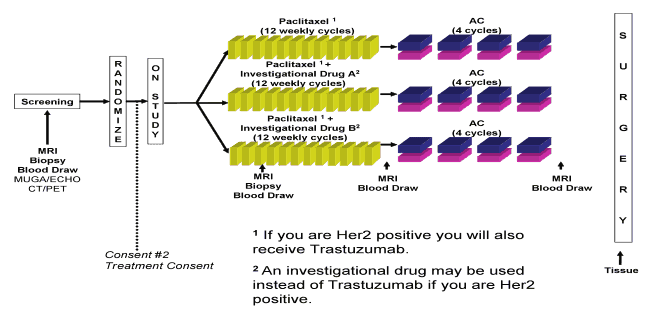
The I-SPY 2 TRIAL (Investigation of Serial Studies to Predict Your Therapeutic Response with Imaging And moLecular Analysis 2) is a clinical trial for women with newly diagnosed locally advanced breast cancer to test whether adding investigational drugs to standard chemotherapy is better than standard chemotherapy alone before having surgery. The treatment phase of this trial will be testing multiple investigational drugs that are thought to target the biology of each participant’s tumor. The trial will use the information from each participant who completes the study treatment to help decide treatment for future women who join the trial. This will help the study researchers learn more quickly which investigational drugs will be most beneficial for women with certain tumor characteristics. The I-SPY 2 TRIAL will test the idea of tailoring treatment by using molecular tests to help identify which patients should be treated with investigational drugs. Results of this trial may help make investigational drugs available to more women in the future.

The beauty of this trial is that it uses Bayesian analysis of responses to have the trial, in effect, evolve in response to what is found at earlier stages. My main quibble with the study is that it requires that all subjects undergo pretreatment breast MRI before surgery, which has a tendency to upstage women through the Will Rogers effect and thus result in more mastectomies. I understand that the trial investigators probably wanted advanced imaging to follow tumor response and that MRI can also show blood flow and therefore measure tumor angiogenesis, but I always worry when I see a design like this one, that it might promote unnecessary mastectomies. On the other hand, the inclusion criteria require a tumor that is 2.5 cm in diameter or greater so perhaps this will be less of a problem. That quibble aside, as Leaf describes, it is an intriguing design and it does evolve based on previous results:

In fact, a breast cancer trial called I-SPY 2, already under way, may be a good model to follow. The aim of the trial, sponsored by the Biomarkers Consortium, a partnership that includes the Foundation for the National Institutes of Health, the F.D.A., and others, is to figure out whether neoadjuvant therapy for breast cancer — administering drugs before a tumor is surgically removed — reduces recurrence of the disease, and if so, which drugs work best.

As with the Herceptin model, patients are being matched with experimental medicines that are designed to target a particular molecular subtype of breast cancer. But unlike in other trials, I-SPY 2 investigators, including Dr. Berry, are testing up to a dozen drugs from multiple companies, phasing out those that don’t appear to be working and subbing in others, without stopping the study.

Here’s the design (more details can be found here and here, and some of the investigational drugs tried can be found here):


The difficult part of the study, of course, is designing the algorithms by which drugs are swapped out as they appear not to be working. If these decisions are made willy-nilly, then this trial would be no better than what Burzynski does (i.e., making simplistic guesses). However, there is a sophisticated analysis and algorithm by which treatment decisions are made. It does have to be remembered, though, that, although I-SPY2 does represent personalized medicine, it is not yet full genomic medicine. Most of the biomarker tests used are biomarkers that already exist, and the additional biomarkers measured will not affect patient treatment. This part of the trial is for discovery of biomarkers, not validation.

The bottom line

I’ll be watching the progress of I-SPY2 closely, because it’s a new kind of clinical trial. Whether it will succeed in improving the success of the followup clinical trials of agents identified through I-SPY remains to be seen, as it also remains to be seen whether it will speed up the pace of discovery. I’m probably less hopeful than Clifton Leaf, but that doesn’t mean I’m not hopeful.

So do clinical trials work? It depends on what you mean by “clinical trials” and “work.” I would argue that they do, in fact, still work in that they are still the best method we have to determine whether science-based therapies with preclinical promise actually translate into useful therapies. They’re simply evolving with science, as they must under the “selective pressure” of advances in technology and understanding of biology.

Source

Sunday, 14 July 2013

Chinese clinical trials probed

Drugmakers have increasingly been turning to China for large clinical trials because they’re cheaper and there’s a bigger population of subjects to draw on.

Now U.S. regulators have stepped in, questioning sloppy data and irregularities from the world’s most populous country.

Bristol-Myers Squibb Co. and Pfizer Inc.’s blood thinner Eliquis, approved in December, was stalled for nine months because of misconduct, errors and an alleged cover-up attempt at a Chinese trial site overseen by Bristol-Myers, according to documents posted by the Food and Drug Administration. The delay came after the company told the FDA that patients got the wrong medicine, records were secretly changed and “serious adverse events” went unreported, the documents show.

The errors led to a lengthy reanalysis of the data and spurred a debate within the agency on what the drug’s label should say about its effectiveness. An agency official also questioned whether large trials in countries like China with similar data shortfalls were a viable basis for approving treatments, according to the documents.

The mistakes showed a “pattern of inadequate trial conduct and oversight,” according to minutes of a Feb. 9 agency meeting involving the two New York companies and the FDA, posted on the agency’s website.

Sales for Eliquis may one day reach $10 billion a year, according to analysts. The delay, though, may cut the time Eliquis is protected by patent, reducing revenue by billions of dollars.

The Eliquis case is an example of the increasing scrutiny the pharmaceutical industry is facing on its research in China, which offers a huge base of test subjects and costs that the Tufts Center for the Study of Drug Development says can be half those in the United States.

Drugmakers will keep having problems with sloppy data and misconduct as long as they keep doing trials in places like China without providing better oversight, said Thomas Marciniak, an FDA medical team leader who wasn’t directly involved in the Eliquis application but reviewed the trial independently.

“What we need is high-quality trials. If we’re not getting them in the low-cost areas, either fix the low-cost areas, or stop doing them,” Marciniak said in an interview, emphasizing that he was speaking for himself and not the agency.

Last month, London-based GlaxoSmithKline said it fired its head of Chinese research after the scientist allegedly misrepresented data that was published in a medical journal.

Bristol-Myers, which ran the Eliquis trial known as Aristotle, responded appropriately once the mistakes became known, said Elliott Levy, the company’s executive who oversaw the research. A reanalysis done by the company and the FDA deleted the questionable data and found it didn’t substantially affect the final, positive result, he said.

The mistakes “were not exceptional,” Levy said in a telephone interview. “The issues they raised required recourse to the primary source data and some months to fully evaluate, but they’re not exceptional issues.”

Asked whether the issues in China created concerns that other misconduct or bad data may have occurred in the trial, Levy said Bristol-Myers was confident they hadn’t. “I don’t think there’s anything unique about China in this regard,” Levy said. “We’ve looked closely at the quality of the data and reliability and it’s not distinguishable from the United States and Europe.”

Pfizer is confident in the trial results, said Mackay Jimeson, a spokesman for the company.

Christopher Granger, a professor of medicine at Duke University in Durham, N.C., who was the lead outside researcher on the trial, disagreed with Levy.

“There is a greater likelihood of some of this impropriety in certain regions,” Granger said in a telephone interview. “We’ve had experiences in India and China where we’ve had more than we would have expected.”

Eliquis was developed as a safer and easier-to-take replacement for warfarin, a half-century-old blood thinner widely used to combat blood clotting and strokes.

Pfizer, the world’s biggest drugmaker, and Bristol-Myers share sales on Eliquis, which competes with Boehringer Ingelheim’s Pradaxa, and Bayer and Johnson & Johnson’s Xarelto.

The final-stage trial of Eliquis began in 2006, and eventually grew to more than 1,000 sites in 40 countries, according to the FDA. About 16 percent of the 18,000 patients were in Asia, with three dozen sites located in China.

Doctors and hospitals who sign on as investigators are typically paid for getting patients to enroll in the trial. They’re overseen by the drug companies, which monitor the patients in coordination with the physicians. Much of that work is done by contract research organizations.

In the Eliquis trial, Bristol-Myers hired Pharmaceutical Product Development Inc., a closely held Wilmington, N.C., company known as PPD, to help oversee it.

The Eliquis trial was questioned on two issues, according to the FDA documents first cited by the journal Pharmaceutical Approvals Monthly.

One was the improper manipulation of records at a study site for 35 patients at the Shanghai 9th Peoples Hospital in China. The second involved the high percentage of the 9,000 patients who were supposed to be getting Eliquis, and instead were either given the wrong drug, or the wrong dose.

There was a broad list of issues at the Shanghai hospital, according to FDA documents.

They included failure to report four potential adverse medical events, late reports on three others and three medical outcomes that weren’t included in the data. The FDA also reported that some patient records disappeared just ahead of a site visit by agency inspectors.

“The records were altered in order to cover-up GCP violations which had occurred at the site,” the FDA said in its report. GCP stands for “good clinical practice.”

Levy disputed some aspects of the report. The company “examined the trial data at that site and found that all the primary endpoints and the key secondary endpoints were appropriately documented and reported,” he said.

Saturday, 13 July 2013

Artificals sweeteners may harm your health even no-calorie ones

A new research in Trends in Endocrinology & Metabolism along with previous studies indicate that everyone should say goodbye to these no-calorie sweeteners for several important reasons you may not even realize.

What’s not so sweet about artificial sweeteners

If you believe no-calorie artificial sweeteners are safe and healthy, that they can help you lose weight or prevent you from gaining weight, and that they are good to use if you have diabetes, you would not be alone in these beliefs. However, a new study, as well as previous investigations, suggests quite the opposite.

Two thirds of Americans are either overweight or obese, so providing more products with artificial sweeteners should be a good thing, right? One area where consumption of diet products has risen steadily is diet drinks, with a recent report from the Centers for Disease Control and Prevention noting that diet beverage intake increased from 18 percent in 2000 to 21 percent in 2010 among women and from 14 percent to 19 percent among men during the same period.

However, drinking just one artificially sweetened beverage per day may increase your risk for a variety of health problems, including type 2 diabetes, obesity, metabolic syndrome, and cardiovascular disease. If you thought sugar-based drinks were associated with these same risks, you are right.

In fact, according to Susan E. Swithers of Purdue University, the author of a new study, the data to support claims that artificially sweetened drinks help with weight loss, weight gain prevention, and other benefits “are not very strong.” She also stated that “although it seems like common sense that diet sodas would not be as problematic as regular sodas, common sense is not always right.”

What might be considered common sense, however, is avoiding both artificially sweetened and sugar-sweetened beverages, since both types reportedly are associated with major health problems. The reason for this finding, according to the authors, seems to be that artificial sweeteners alter certain patterns in the brain’s pleasure regions, causing people who drink these beverages to not feel satisfied by the sweet taste.

In fact, when lab animals have been given artificial sweeteners, they have tended to highly desire more sweets. The result has been a tendency to overeat sugary, high-calorie foods and gain significant amounts of weight.

Thus the not-so-sweet news for anyone who has been consuming artificially sweetened beverages and foods is that “the intake of sugars needs to be expanded to limit intake of all sweeteners, not just sugars,” according to the study’s author. But there is more.

More health hazards from artificial sweeteners

Let’s look at some previous studies on artificial sweeteners and their potential hazards. Aspartame is a good place to begin, as there are reports that the chemical has a negative impact on brain function.

One new study from the Washington University School of Medicine looked at aspartame (e.g., Equal, NutraSweet) and its safety record. Investigators reported several concerns about aspartame:
Aspartame metabolizes into phenylalanine, aspartic acid, and methanol, and excess phenylalanine has an impact on serotonin and dopamine levels, which are hormones involved in the regulation of appetite, mood, and sleep.

One of aspartame’s metabolites, called diketopiperazine, has cancer-causing properties and plays a role in the development of tumors of the central nervous system. Thus use of foods and beverages that contain aspartame may pose a health hazard.

Other dangers of using artificial sweeteners relate to an increased risk of developing conditions associated with type 2 diabetes, including glucose resistance and insulin resistance. In particular, investigators at Washington University School of Medicine looked at Splenda (sucralose) and its impact on glucose and insulin resistance.

In the study, researchers evaluated the effect of artificial sweeteners among severely obese people who did not have diabetes and who did not use artificial sweeteners regularly. They found that use of an artificial sweetener “was related to an enhanced blood insulin and glucose response.”

A Danish study evaluated the impact of both sugar-based and artificially sweetened beverages on pregnant women. Overall the investigators discovered that high intake of both types of beverages is associated with an increased risk of preterm delivery.

A possible link between artificial sweeteners and cancer has long been debated, with scores of studies indicating an increased risk of various types of tumors in animal studies. Far fewer studies have examined the association in humans.

One example in the latter category is a study that was published in the December 2012 issue of the American Journal of Clinical Nutrition. The Boston-based researchers looked at the intake of artificially sweetened and sugar-based sodas and the risk of leukemia and lymphoma in adults.

The investigators reviewed data from the Nurses’ Health Study and Health Professionals Follow-Up Study, spanning 22 years of information. They found an increased risk of non-Hodgkin lymphomas and multiple myelomas among men (but not women) who consumed at least one diet soda daily when compared with men who did not drink diet soda.

The bottom line is that much controversy and debate surround the use of artificial sweeteners. Scores of studies in animals suggest their use can cause a variety of cancers, allergic reactions, and even neurological problems, yet authorities such as the Food and Drug Administration, the Environmental Protection Agency, and the European Food Safety Authority, among others, have continued to declare these synthetic products are safe for human consumption.

A number of health experts and consumer advocate groups, such as Dr. Andrew Weil and the Center for Science in the Public Interest, have pointed out the health dangers of artificial sweeteners. Weil, for example, explains in a Prevention article that these synthetic sweeteners have “never been shown to help anyone lose weight, and some of them are downright bad for you.”

Weil also warned that “aspartame, saccharin, and sucralose all have been shown to increase the risk of some health problems, including obesity, headaches, and some types of cancer.” Are these products you want to feed to your children and yourself?

Evidence against the safety of artificial sweeteners continues to build, despite resistance from food industry manufacturers and others with a financial interest in their remaining on the market. Perhaps it’s time for everyone who is concerned about their health to say goodbye to artificial sweeteners.

Sunday, 30 June 2013

Quote of the day


"People think the FDA is protecting them. It isn't. What the FDA is
doing and what the public thinks it's doing are as different as night and day"

Dr Herbert Ley
former Commissioner of the FDA

Friday, 28 June 2013

Drug companies may have to disclose actions taken by international drug regulators

After two of the country's top drug makers ran into trouble with US Food and Drug Administration (USFDA), the Drug Controller General of India (DCGI) is considering asking pharma companies to make immediate disclosures to the government, as and when leading international drug regulators take adverse actions against their facilities located in India.

"Getting timely access to such leads is very important for us to take an informed decision on prompt follow-ups. If the drug-making facility under scanner is supplying medicine to the domestic market, one can quickly conduct inspections to monitor if these plants are following current good manufacturing practices under the domestic drug law," said an official from the Drug Controller General of India's (DCGI) office who did not wish to be named.

If the affected plant doesn't supply to the Indian market, the decision can be taken on a case-to-case basis, with the depth of action depending on the seriousness of the violations, he added. It could also help the drug regulator decide, whether other plants of the same company supplying drugs to the domestic market, need to be audited.

Recently, one of Wockhardt's Maharashtra-based plant faced an import alert, while Ranbaxy Labs has had sustained problems with the US drug regulator since 2008 and is still not out of the woods. As of now, the Indian drug regulator doesn't have any tie-ups with most top drug regulators such as the USFDA and the UK's Medicines and Healthcare products Regulatory Agencies. This prevents immediate access to notifications of their inspections or access to inspection findings of other drug regulators.

Besides, state drug regulators issue manufacturing licences, not the central drug regulator. So lack of tie-ups with global counterparts and the fact that manufacturing licences are given by state drug regulators sometimes results in a lag of several months, at times even years between the time of inspections by a global drug regulator here and the action taken by the DCGI office, which usually kicks off after the information becomes public.

Ranbaxy, which last month pleaded guilty to the charges of data falsification and 'adulteration' in the US, agreed to pay a fine of $500 million, as ET had reported, and inspections have been ordered by the DCGI into facilities at Dewas and Paonta Sahib.

"The company is facing 'deep inspections' at the affected plants. The special teams constituted for the purpose include officials from the DCGI office, respective state drug controllers' office and independent regulatory experts," a health ministry official told ET .

Another official confirmed that random samples of Ranbaxy drugs are being picked from the market by the drug regulator for quality tests. Pharma experts say a higher level of disclosure would inspire more trust in 'brand India'. "In principle, this intervention would be a right step on part of the government because pharma is a sensitive sector with half of the industry's total revenues coming from exports. A single high-profile adverse instance is not necessarily an isolated incident but has the ability to erode the credibility of the image of Indian generics built over years," said Murali Nair, partner, Ernst & Young.

But Nair pointed out that due to different cost structures, companies usually have separate drugmaking facilities dedicated for regulated markets, which means there would be limited overlap between plants catering to domestic market and developed markets.

"An early warning technique based on global regulatory slippages, as a trigger for audits in a country has 14,000 drug manufacturers would be helpful for the regulator," he added.

Thursday, 27 June 2013

FDA Probes Deaths of Two People Taking Lilly Antipsychotic Drug

Federal regulators are investigating two "unexplained" deaths in people who received an injection of an Eli Lilly & Co. antipsychotic drug.

The Food and Drug Administration posted a drug-safety communication on its website Tuesday, saying the patients received an injection of Zyprexa Relprevv and died three to four days afterward. The agency said both patients were found to have "very high" blood levels of the drug in their systems after death. The agency also said both patients had received an appropriate dose of the product.
"Based on the information available to us, we are unable to conclude whether the two deaths were related to administration of Zyprexa Relprevv," Eli Lilly said. "However, we are continuing to evaluate this important safety issue and will communicate any clinically significant safety information that affects the product."

Neither the company nor the FDA would say when the patient deaths occurred, though an FDA spokeswoman said one death was in the U.S. and the other in Europe.

The drug is sold with the brand name Zypadhera outside the U.S. The product had less than $60 million worth of sales in 2012. The oral form of Zyprexa, which is also sold by other drug makers in generic versions, has a wider approval and is also used to treat bipolar disorder and depression that doesn't respond to other treatments.


An Eli Lilly spokesman said the FDA alert involved Zyprexa Relprevv, the long-acting injection, rather than the oral form of Zyprexa. About 50,000 patients world-wide have received the injections.

Zyprexa Relprevv was approved by the FDA in December 2009, after a delay, to treat schizophrenia. In 2008 the agency asked the company for more information about "excessive sedation" that was seen in some patients during clinical trials.

Patients receiving Zyprexa injections are required to be monitored for three hours after receiving the injection. The drug's label contains a warning about the risk of post-injection delirium sedation syndrome, a serious condition in which the drug enters the blood too fast.

The FDA said the condition was seen in clinical trials of Zyprexa Relprevv but no deaths were seen. The FDA said it isn't clear if the two patients died from post-injection delirium sedation syndrome.

Actos Bladder Cancer

In light of mounting concern over Actos and bladder cancer, the U.S. Food and Drug Administration (FDA) has amped up its review of the once popular type 2 diabetes medication. First introduced by Takeda Pharmaceuticals in 1999, Actos (pioglitazone) has been the subject of increasing scrutiny over the side effects of Actos, and its causal link to bladder cancer – so much that in 2002, the FDA ordered a 10-year epidemiological study of the drug and its inherent risks. In June 2011, the federal agency issued a safety communication regarding its findings of a 40% increased risk of bladder cancer among patients who took Actos at high doses for one year or longer.

Before Actos was released on the market, early clinical trials revealed an association between pioglitazone and bladder cancer. Nevertheless, health care providers and patients were uninformed about potential bladder cancer risks, and sales of the diabetes drug skyrocketed. Over the years, medical studies conducted both in the U.S. and abroad have shown that these risks may be much greater than originally thought. New research published in the British Medical Journal suggests that individuals who take Actos may actually have an 83 percent increased chance of developing cancer.

Studies reveal Actos and bladder cancer link

Research published in the May 2012 edition of the British Medical Journal revealed the surprisingly high risk of bladder cancer among Actos users. The study analyzed data regarding more than 115,000 patients who were treated with diabetes medications from 1988 to 2009. The researchers discovered an 83 percent increased bladder cancer risk among those who took pioglitazone. Lead researcher Laurent Azoulay PhD. concluded, “Patients with type 2 diabetes and their physicians need to be fully aware of the potential association between Actos and bladder cancer.”

The American Diabetes Association (ADA) published a report in March 2011, which reviewed FDA adverse drug reports concerning Actos and bladder cancer. The report concluded that “preliminary data found an increasing risk of bladder cancer with pioglitazone exposure, with statistical significance after 24 months.”

One of the most notable studies cited in Actos lawsuits is the 10-year epidemiological trial conducted by Kaiser Permanente and overseen by the FDA. The extensive research was mandated in 2002 after early Actos studies in rats showed an increase in bladder tumors. The final results are slated to be published in late 2013, but a review of the five-year interim data prompted the FDA’s 2011 pioglitazone label update alerting consumers about the heightened risks of Actos bladder cancer.

On June 9, 2011, the French Medicines Agency decided to suspend the use of Actos after its three-year PRO-active study showed a statistically significant increase in the risk of bladder cancer in men exposed to the drug for more than a year. The study included 1.5 million patients and was conducted from 2006 to 2009. On June 10, 2011, Germany joined France in suspending the sale of Actos, and urged doctors not to prescribe the medication to any new patients. In 2011, Takeda issued a voluntary recall of Actos in France and Germany, but the type 2 diabetes medication remains on U.S. shelves.

How does Actos cause bladder cancer?

According to research from the National Cancer Institute, individuals with type 2 diabetes are already at a higher risk for developing bladder cancer. Actos belongs to a class of drugs called thiazolidinediones (TZD), which are used to help regulate blood sugar levels in diabetics because they make the body more sensitive to insulin. Cancer cells have insulin receptors, meaning they can use insulin to grow. Because Actos functions by reducing the amount of available insulin, the association between Actos and bladder cancer may be a direct effect of the way the medication works. Though scientists are unsure as to how pioglitazone provokes the development of cancerous cells within the bladder, numerous medical studies have demonstrated an elevated risk of bladder cancer among patients who ingest high doses of Actos for prolonged periods of 12 months or longer.

Risk factors for bladder cancer

In their 2011 safety announcement, the FDA warned the public that individuals who take pioglitazone for longer than a year have a 40 percent increased risk of developing Actos bladder cancer as compared to patients who did not use the medication. This warning was based on the five-year interim analysis of 193,099 diabetic patients who were treated with Actos for an average of two years. The FDA concluded that patients with the longest exposure to and the highest cumulative dose of the medication were at greater risk.

Tuesday, 25 June 2013

Drug Known to Cause Suicidal Thoughts Results in Death of 16-Year-Old Boy

Some drugs help. Other drugs, like Cymbalta, have the potential to kill, as they did in this case.

“Wrongful death, defective product lawsuits involving the suicide of a young teen are particularly hard to deal with. The family is distraught and in shock. They want to know that what happened to their son will never happen to anyone else. The drug Cymbalta is at the center of the storm in this lawsuit and eventual settlement,” indicated Austin injury lawyer Brooks Schuelke, with Perlmutter & Schuelke, L.L.P.

Cymbalta was approved for use in the U.S. in 2004, and was usually prescribed for depression. Over time, physicians used it for other off-label purposes and the drug maker, Eli Lilly and Co., started to promote its use for other conditions. In 2012, Lilly made $5 billion on this one drug alone. As ironic as it may seem, this drug, prescribed for depression, actually perpetuated it and was well known to cause suicidal thoughts in younger individuals.

“The 16-year-old in this shocking case was given the drug to take in November 2004. One month later, he shot himself,” said Schuelke. The parents elected to file a wrongful death lawsuit against Eli Lilly and their marketing partner, Quintiles Transnational. The suit alleged that neither company adequately warned patients that the drug could cause suicidal thoughts —- often acted upon —- in some users.

Evidence that would have been presented at trial, had the case not been settled out of court, showed the drug maker hid the fact that during a patient trial of the drug, a 19-year-old male hung himself. Furthermore, the Food and Drug Administration recommended a “black box warning” about the drug’s dangerous side-effects. It was not added to the drug packaging until 2005.

This is not the only drug with dangerous side-effects that Eli Lilly has been sued over. Consider the mass tort litigation involving Prozac. A large number of those cases were also settled out of court, as the company did not want to deal with its dirty laundry in the legal arena in a public manner.

“Those facing the death of a loved one as the result of a dangerous drug need to reach out and discuss their situation with an experienced injury attorney,” stated Schuelke. “You need a voice in court on your side to obtain not only justice, but to be able to send a message to drug makers that their actions are not acceptable and they must take responsibility for them.”

Sunday, 23 June 2013

What about Overweight and Obesity in United States?

According to the first CLINICAL GUIDELINE ON THE IDENTIFICATION, EVALUATION, AND TREATMENT OF OVERWEIGHT AND OBESITY IN ADULTS based on evidence from approximately 394 randomized controlled trials (RCTs) found in MEDLINE from January 1980 to September 1997:

Highlights
  1. According to the latest statistics from the third National Health and Nutrition Examination Survey, 97 million Americans are overweight or obese.
  2. Excess weight is often accompanied by hypertension, dyslipidemia, type 2 diabetes, coronary heart disease, stroke, gallbladder disease, osteoarthritis, sleep apnea and respiratory problems, and endometrial, breast, prostate, and colon cancers.
  3. The total costs attributable to obesity-related disease approach $100 billion annually in the United States.
  4. Overweight is here defined as a body mass index (BMI) of 25 to 29.9 kg/m2 and obesity as a BMI
    of 30 kg/m2.
  5. A variety of effective options exist for the management of overweight and obese patients, including
    dietary therapy approaches such as low-calorie diets and lower-fat diets; altering physical activity patterns; behavior therapy techniques; pharmacotherapy*; surgery; and combinations of these technique.
  6. *As of September 1997, the Food and Drug Administration (FDA) requested the voluntary withdrawal from the market of dexfenfluramine and fenfluramine due to a reported association between valvular heart disease and the use of dexfenfluramine or fenfluramine alone or combined with phentermine. The use of these drugs for weight reduction, therefore, is not recommended in this report. Sibutramine is approved by FDA for long-term use. It has limited but definite effects on
    weight loss and can facilitate weight loss maintenance.
  7. Weight loss drugs that have been approved by the FDA for long-term use can be useful adjuncts to dietary therapy and physical activity for some patients with a BMI of 30 with no concomitant risk factors or diseases, and for patients with a BMI of 27 with concomitant risk factors or diseases. 
  8. Weight loss surgery is one option for weight reduction in a limited number of patients with clinically severe obesity, i.e., BMIs 40 or 35 with comorbid conditions. Weight loss surgery should be
    reserved for patients in whom efforts at medical therapy have failed and who are suffering from the complications of extreme obesity.
  9. Randomized trials suggest that weight loss at the rate of 1 to 2 lb/week (calorie deficit of 500 to
    1,000 kcal/day) commonly occurs for up to 6 months.
  10. A review of 44 pharmacotherapy RCT articles provides strong evidence that pharmacological therapy (which has generally been studied along with lifestyle modification, including diet and physical activity) using dexfenfluramine, sibutramine, orlistat, or phentermine/fenfluramine results in weight loss in obese adults when used for 6 months to 1 year. Strong evidence also indicates that appropriate weight loss drugs can augment diet, physical activity, and behavior therapy in weight loss. Adverse side effects from the use of weight loss drugs have been observed in patients. As a result of the observed association of valvular heart disease in patients taking fenfluramine and dexfenfluramine alone or in combination, these drugs have been withdrawn from the market. Weight loss drugs approved by the FDA for long-term use may be useful as an adjunct to diet and physical activity for patients with a BMI of 30 with no concomitant obesity-related risk factors or diseases, as well as for patients with a BMI of 27 with concomitant risk factors or diseases; moreover, using weight loss drugs singly (not in combination) and starting with the lowest effective doses can decrease the likelihood of adverse effects.
  11. Women in the United States with low incomes or low education are more likely to be obese than those of higher socioeconomic status.
  12. In the majority of epidemiologic studies, mortality begins to increase with BMIs above 25 kg/m2.
  13. The environment is a major determinant of overweight and obesity. Environmental influences on overweight and obesity are primarily related to food intake and physical activity behaviors. In countries like the United States, there is an overall abundance of palatable, calorie-dense food. In addition, aggressive and sophisticated food marketing in the mass media, supermarkets, and restaurants, and the large portions of food served outside the home, promote high calorie consumption.
  14. Since 1995, the use of the prescription drugs fenfluramine or dexfenfluramine for weight loss had increased greatly to 14 million prescriptions in 1'5 years. The increased interest in drug treatment of obesity derives from the poor long-term results often obtained with behavior therapy, including diet and physical activity, as noted earlier in this report. The rationale for the addition of drugs to these regimens is that a more successful weight loss and maintenance may ensue. However, as of September 1997, the FDA requested the voluntary withdrawal of fenfluramine and dexfenfluramine from the market, due to a reported association between valvular heart disease with the drugs dexfenfluramine and fenfluramine, alone or combined with phentermine. In November 1997, the FDA provided clearance for marketing the drug sibutramine hydrochloride monohydrate for the management of obesity, including weight loss and maintenance of weight loss when used in conjunction with a reduced-calorie diet.

Saturday, 22 June 2013

AMA declares obesity a disease in USA

The American Medical Association (AMA) voted Tuesday to declare obesity a disease, a move that effectively defines 78 million American adults and 12 million children as having a medical condition requiring treatment.


In the end, members of the AMA's House of Delegates rejected cautionary advice from their own experts and extended the new status to a condition that affects more than one-third of adults and 17% of children in the United States.

"Recognizing obesity as a disease will help change the way the medical community tackles this complex issue that affects approximately 1 in 3 Americans," said Dr. Patrice Harris, an AMA board member.

Tuesday's vote is certain to step up pressure on health insurance companies to reimburse physicians for the time-consuming task of discussing obesity's health risks with patients whose body mass index exceeds 30. It should also encourage doctors to direct these patients to weight-loss programs and to monitor their often-fitful progress.

The AMA's decision essentially makes diagnosis and treatment of obesity a physician's professional obligation. As such, it should encourage primary care physicians to get over their discomfort about raising weight concerns with obese patients. Studies have found that more than half of obese patients have never been told by a medical professional they need to lose weight — a result not only of some doctors' reluctance to offend but of their unwillingness to open a lengthy consultation for which they might not be reimbursed.

"As things stand now, primary care physicians tend to look at obesity as a behavior problem," said Dr. Rexford Ahima of University of Pennsylvania's Institute for Diabetes, Obesity and Metabolism. "This will force primary care physicians to address it, even if we don't have a cure for it."

The new designation follows a steep 30-year climb in Americans' weight — and growing public concern over the resulting tidal wave of expensive health problems. Treatment of such obesity-related illnesses as cardiovascular disease, Type 2 diabetes and certain cancers drives up the nation's medical bill by more than $150 billion a year, according to the Centers for Disease Control and Prevention.

Projected increases in the obesity rate could boost that figure by an additional $550 billion over the next 20 years, a recent Duke University study concluded.

In laying out the case for and against the redefinition of obesity, the AMA's Council on Science and Public Health argued that more widespread recognition of obesity as a disease "could result in greater investments by government and the private sector to develop and reimburse obesity treatments."

The Food and Drug Administration, which has approved just two new prescription weight-loss medications since 1999, would probably face increased pressure to approve new obesity drugs, spurring new drug development and more widespread prescribing by physicians, the council noted.

"The greater urgency a disease label confers" also might boost support for obesity-prevention programs such as physical education initiatives and reforms to school lunch, the council added. In addition, it speculated that "employers may be required to cover obesity treatments for their employees and may be less able to discriminate on the basis of body weight."

But the council also said that making obesity a disease could deepen the stigma attached to being overweight and doom some patients to endless nagging — even if they were otherwise healthy or had lost enough weight to improve their health.

It might also shift the nation's focus too much toward expensive drug and surgical treatments and away from measures to encourage healthy diets and regular exercise, the council wrote in a background memo for AMA members.

Dr. Daniel H. Bessesen, an endocrinologist and obesity expert at the University of Colorado Anschutz Medical Campus, called the AMA's shift "a double-edged sword." Though the semantic change may reflect "a growing awareness that obesity is not someone's fault," he worried that "the term disease is stigmatizing, and people who are obese don't need more stigmatizing."

Tuesday, 18 June 2013

FDA probes deaths linked to Long-Acting Zyprexa

Two patients died 3-4 days after injections with the long-acting antipsychotic drug olanzapine pamoate (Zyprexa Relprevv), prompting an FDA investigation.

The agency has not determined whether the drug caused the fatalities. "At this time, FDA is continuing to evaluate these deaths and will provide an update when more information is available," it said in a statement Tuesday.

Both patients received intramuscular injections of the drug at appropriate doses, the FDA said, but tests showed "very high olanzapine blood levels after death."

High doses are known to induce delirium, cardiopulmonary arrest, cardiac arrhythmias, and impaired consciousness ranging from sedation to coma.

The long-acting form of olanzapine was approved with a risk evaluation and mitigation strategy that requires patients to remain in the clinic for a 3-hour monitoring period and to be escorted home afterward. The requirement was imposed after some patients in clinical trials became delirious or lost consciousness shortly after receiving injections.

These events, dubbed post-injection delirium-sedation syndrome (PDSS), were traced to an unexpectedly rapid release of olanzapine into circulation leading to very high blood levels of the drug.

However, all those cases occurred within hours of injection, not days, and no deaths were attributed to the syndrome, the FDA said.

Olanzapine pamoate is approved for injection every 2-4 weeks for treating patients with schizophrenia. It is one of several long-acting formulations of "atypical" antipsychotic drugs currently available. PDSS has not been seen with those other products.

Source