Showing posts with label cancer. Show all posts

Friday, 16 August 2013

Tamoxifen for prevention in high-risk breast cancer

The global study was led by University of Melbourne and the Peter MacCallum Cancer Centre and published in the Journal of Clinical Oncology.

The study involved about 2,500 women from Europe, North America and Australia who have inherited mutations in BRCA1 or BRCA2, the breast cancer susceptibility genes, and who had been diagnosed with breast cancer. About one-third of these women were placed on tamoxifen.


Tamoxifen has been used for decades to treat breast cancer and has recently been shown to prevent breast cancers in many women.

Until now, there has been limited information about whether it reduces breast cancer risk for women who are at the very highest level of risk with BRCA1 or BRCA2.

Lead author, Professor Kelly-Anne Phillips says this study, the largest to date, suggests that it could work for these high-risk women by halving their breast cancer risk.

"In the past, the only way of reducing breast cancer risk for these high-risk women was to do invasive surgery to remove their breasts and/or ovaries. For women who choose not to undergo such surgery, or who would prefer to delay surgery until they are older, tamoxifen could now be a viable alternative."

Such was the case for US actress Angelina Jolie who was found to carry a mutation in one of these genes.

Previous research led by Professor Phillips revealed that only 1 in 5 Australian women with a mutation in BRCA1 or BRCA2 choose to undergo bilateral mastectomy to prevent cancer.

Professor John Hopper, co-author from the School of Population and Global Health at the University of Melbourne, says "In light of our findings, it is clear that women who have a mutation in BRCA1 or BRCA2 should review their management plan with their specialist and re-discuss the options available to them to lower that risk."

This important finding has come from more than 20 years of research involving breast cancer families recruited from cancer registries and clinics across the country.

"Without the generous contributions of those families we would not be able to make such discoveries which help future generations fight breast cancer," he says.

However, we should be aware of how the study was carried out. According to William Hait, director of the Cancer Institute of New Jersey, who pointed out that Tamoxifen is effective in ER(+) cancers about 50% of the time. Around 70% of breast cancer is ER(+), and that means that if you treat all patients with breast cancer with Tamoxifen, you will see responses only 35% of the time, whereas if you treat only ER(+) cancers you will see responses 50% of the time. Therefore, more details must be needed.  

Lung cancer risk cut by eating raw garlic

Eating raw garlic twice a week could potentially halve the risk of developing lung cancer, according to a study published in the journal Cancer Prevention Research.


Researchers from the Jiangsu Provincial Center for Disease Control and Prevention in China carried out a population-based case control study between 2003 and 2010, to analyze the link between raw garlic consumption and lung cancer.

The researchers collected data from 1,424 lung cancer patients, alongside 4,543 healthy controls.

Data was compiled through face-to-face interviews with the participants, who were asked to answer a standard questionnaire disclosing information on diet and lifestyle habits, including how often they ate garlic and whether they smoked.

Results of the study showed that participants who consumed raw garlic on a regular basis as a part of their diet (two or more times a week), had a 44% decreased risk of developing lung cancer.

The study authors say:

"Protective association between intake of raw garlic and lung cancer has been observed with a dose-response pattern, suggesting that garlic may potentially serve as a chemo-preventive agent for lung cancer."

Lung cancer is the second most common type of cancer in both men and women. According to the Centers for Disease Control and Prevention (CDC), 205,974 Americans were diagnosed with lung cancer in 2009.

Long-term smoking is the most common cause of lung cancer, found to account for 9 out of every 10 cases of the disease.

Interestingly, when looking specifically at participants who smoked, researchers found that eating raw garlic still decreased their risk of lung cancer by around 30%.

The researchers say that the link between garlic and lung cancer prevention warrant further in-depth investigation.

Previous research has also shown that consumption of garlic may have preventive properties against certain forms of cancer.

A study from the New York Presbyterian Hospital and Weill Cornell Medical Center suggested that a compound found in garlic, selenium, may possess an anti-cancer property

Other research from the Medical University of South Carolina, found that organosulfur compounds found in garlic may play a part in killing brain cancer cells.

The widely used herb has also been cited as preventing and treating other ailments, such as high blood pressure, high cholesterol and diabetes.

Thursday, 18 July 2013

Cauliflower Prevent Various Cancers

Cauliflower contains glucosinolates and thiocyanates — both sulfur-containing phytonutrients that cleanse the body of damaging free radicals. It also contains a substance called sulforaphane (SFN), a compound known to inhibit the occurrence of some cancers in rats caused by carcinogens, primarily colon cancer.


In the Rutger’s research, it was found once again that diet does matter in cancer prevention:

“Our research has substantiated the connection between diet and cancer prevention, and it is now clear that the expression of cancer-related genes can be influenced by chemopreventive compounds in the things we eat,” said Kong, a professor of pharmaceutics in the Ernest Mario School of Pharmacy at Rutgers, The State University of New Jersey.

Even the American Cancer Society admits that more than two thirds of cancers can be prevented with lifestyle modification, and this includes diet. In this particular study, mice fed a diet high in sulforaphane, the substance naturally occurring in cauliflower and broccoli, enjoyed fewer cancerous tumors, polyps, and smaller tumors in the their colons. After three weeks, the mice fed sulforaphane had a 25% decline in tumors and those given double the dose had a 47% decrease in cancerous tumors.

The results are obvious, “Our results showed that SFN produced its cancer preventive effects in the mice by inducing apoptosis (programmed cell death) and inhibiting proliferation of the tumors; however, it was not clear what mechanism SFN employs to accomplish this,” Kong said.

Just how vegetables like cauliflower (and other cruciferous vegetables) help to kill cancer cells is still unknown, but Kong’s team found that SFN suppressed certain enzymes or kinases that are highly expressed both in the mice and in patients with colon cancer. The researchers concluded that this enzymatic suppression activity is the likely basis for the chemopreventive effects of SFN.

Along with cauliflower’s high levels of SFN, it is also a powerful antioxidant with high levels of vitamin C and vitamin A, also known as cancer inhibitors. Researchers also believe that if you consume cauliflower and turmeric spice together, you can prevent or eradicate prostate cancer totally. The scientists, once again from Rutger’s, tested turmeric and it’s active compound known as curcumin along with phenethyl isothiocyanate (PEITC), a naturally occurring substance in certain vegetables such as watercress, cabbage, winter cress, broccoli, Brussels sprouts, kale, cauliflower, kohlrabi and turnips. They found cancer-preventative qualities in the duo.

Walnut-Enriched Diet Leads To Fewer, Smaller Prostate Cancers

New research from the School of Medicine at The University of Texas Health Science Center San Antonio indicates that eating a modest amount of walnuts can protect against prostate cancer.

The study is described in the journal Cancer Investigation. Researchers at the UT Health Science Center injected immune-deficient mice with human prostate cancer cells. Within three to four weeks, tumors typically start to grow in a large number of these mice. The study asked whether a walnut-enriched diet versus a non-walnut diet would be associated with reduced cancer formation. A previous study found this to be true for breast cancer.

Results

Three of 16 mice (18 percent) eating the walnut-enriched diet developed prostate tumors, compared with 14 of 32 mice (44 percent) on the non-walnut control diet. Also of note, the final average tumor size in the walnut-fed animals was roughly one-fourth the average size of the prostate tumors that developed in the mice eating the control diet.

"We found the results to be stunning because there were so few tumors in animals consuming the walnuts and these tumors grew much more slowly than in the other animals," said study senior author Russel Reiter, Ph.D., professor of cellular and structural biology at the Health Science Center. "We were absolutely surprised by how highly effective the walnut diet was in terms of inhibition of human prostate cancer."

Percentage of diet

The mice consumed a diet typically used in animal studies, except with the addition of a small amount of walnuts pulverized into a fine powder to prevent the rodents from only eating the walnuts. "The walnut portion was not a large percentage of the diet," Dr. Reiter said. "It was the equivalent to a human eating about 2 ounces, or two handfuls, a day, which is not a lot of walnuts."

Study co-author W. Elaine Hardman, Ph.D., of the Joan C. Edwards School of Medicine at Marshall University, published a study in 2011 that showed fewer and smaller tumors among walnut-fed mice injected with human breast cancer cells. Dr. Hardman formerly was a faculty member at the Health Science Center.

"The data to date suggest that using walnuts on a regular basis in the diet may be beneficial to defer, prevent or delay some types of cancer, including breast and prostate," Dr. Reiter said.

Wednesday, 17 July 2013

Harvard Scientists Urge You to Stop Drinking Milk

Vegans may have had it right all along; while raw, organic milk offers numerous health benefits, a Harvard
researcher and pediatrician argues that conventional milk and dairy products alike are a detriment to your health – thanks to added health-compromising sweeteners.

As David Ludwig mentioned in his research, which was published in the Journal of the American Medical Association Pediatrics, there have been countless pieces of research concluding the ill effects of sugar-sweetened beverages. The over-consumption of sugar has been tied to obesity, diabetes, inflammatory-related pain, and much more. And because of sugar’s negative effects on our health, even the United States Department of Agriculture, the American Academy of Pediatrics, and other organizations are recommending against consuming calories from sugary drinks.


The one calorie-containing beverage they still heavily promote, however, is reduced-fat milk, where the organization recommends drinking 3 cups daily. This is where Ludwig questions the scientific rationale for such recommendations.

“This recommendation to drink three cups a day of milk – it’s perhaps the most prevailing advice given to the American public about diet in the last half century. As a result, Americans are consuming billions of gallons of milk a year, presumably under the assumption that their bones would crumble without them,” says David Ludwig.

As far as Ludwig is concerned, if the USDA is recommending to drink reduced-fat milk, it is also inadvertently encouraging the consumption of added sugars – a piece of advice that goes against all the research saying not to consume sugar and sugar-sweetened beverages. The idea of consuming low-fat milk or chocolate milk cancels out the whole reasoning for the recommendation in the first place since the fats are simply being replaced with dangerous sugars.

The worst possible situation is reduced-fat chocolate milk: you take out the fat, it’s less tasty. So to get kids to drink 3 cups a day, you get this sugar-sweetened beverage,” Ludwig says. ”…we can get plenty of calcium from a whole range of foods. On a gram for gram basis, cooked kale has more calcium than milk. Sardines, nuts seeds beans, green leafy vegetables are all sources of calcium.”

The Case Against Low-Fat Dairy, and Other Dangers of Milk

Harvard researcher David Ludwig certainly has a point in analyzing and ultimately criticizing the USDA’s recommendations, but there is much more to the full-fat vs reduced-fat argument for milk and dairy products.

There are plenty of reasons to avoid certain fats such as trans-fats and refined polyunsaturated fats in vegetable oils (like corn, soy, sunflower, and canola), but the evidence for moderate consumption of saturated fat, which is found in milk, coconut oil, and grass-fed land animals, is coming to the surface. While saturated fat was villainized for decades, a 2010 analysis published in the American Journal of Clinical Nutrition concluded that “there is no significant evidence for concluding that dietary saturated fat is associated with an increased risk of [coronary heart disease or cardiovascular disease].”

Further, there are numerous benefits to drinking full-fat dairy products. In it’s most pure state (raw, organic, and coming from grass-fed cows), full-fat dairy has been found in research to potentially promote heart health, control diabetes, aid in vitamin absorption, lower bowel cancer risk, and even aid in weight loss. But while pure dairy could promote your health, conventional dairy may prove damaging.

Before you consume more conventional dairy, please educate yourself as to what’s in your dairy. You’d be surprised that there could be 20+ painkillers, antibiotics, and much more lurking in your milk.


Swedish Study Suggests Bipolar Disorder Associated With Premature Mortality

Bipolar disorder was associated with premature mortality in a large study of Swedish adults by Casey Crump, M.D., Ph.D., of Stanford University, California, and colleagues.

The study used outpatient and inpatient data from more than 6.5 million Swedish adults, including 6,618 with bipolar disorder, to examine the physical health effects associated with bipolar disorder. Bipolar disorder is a chronic mental illness and a leading cause of disability worldwide.

According to the results, women and men with bipolar disorder died nine and 8.5 years earlier on average, respectively, than the rest of the population. All-cause mortality was increased two-fold among women and men with bipolar disorder compared to the rest of the population. Patients with bipolar disorder also had increased mortality from cardiovascular disease, diabetes mellitus, chronic obstructive pulmonary disease (COPD), influenza or pneumonia, unintentional injuries and suicide for both women and men, and cancer for women only.

"Timely medical diagnosis appeared to improve chronic disease mortality among bipolar disorder patients to approach that of the general population. More effective provision of primary, preventive medical care is needed to reduce early mortality among persons with bipolar disorder," the study concludes.

Monday, 15 July 2013

Do clinical trials work? It depends on what you mean by “work”

One of the issues I discussed at our SBM workshop was something I’ve written before, namely the “methodolatry” that sometimes infests evidence-based medicine (EBM), “Methodolatry” has been defined as the profane worship of the randomized clinical trial (RCT) as the only valid method of clinical investigation, and it’s a symptom of the way that EBM relegates basic science knowledge, even well-established principles of science that show that something like, say, homeopathy or reiki is impossible under the current understanding of physics, chemistry and biology. However, never let it be said that RCTs aren’t actually important in SBM. Our problem with how EBM worships them derives from how it even bothers to do trials in the first place of modalities that can best be described by Harriet Hall’s brilliant appellation, Tooth Fairy Science. However, these days RCTs are widely perceived to have a serious problem. They have become so expensive to do and there have been so many failures of drugs that looked promising to show efficacy in clinical trials that some have even questioned whether there is something fundamentally wrong with how we do clinical trials now. Some even ask, as the title of an article by Clifton Leaf that appeared in the New York Times over the weekend, Do Clinical Trials Work?

It begins with the story of Avastin in brain tumors. I’m sure that Eric Merola will likely jump all over this, given how he tried to use the example of Avastin being approved for glioma on fast track approval that used phase II trials as the basis for doing so as an argument for why antineoplastons should be approved by the FDA. Or maybe he won’t. Here’s why. The story explains that there were two single-arm trials of adding Avastin to glioma therapy in which the tumors “shrank and the disease seemed to stall for several months when patients were given the drug.” Then Clifton points out the results of the randomized clinical trial presented at the American Society of Clinical Oncology (ASCO) meeting a month and a half ago:

But to the surprise of many, Dr. Gilbert’s study found no difference in survival between those who were given Avastin and those who were given a placebo.

Disappointing though its outcome was, the study represented a victory for science over guesswork, of hard data over hunches. As far as clinical trials went, Dr. Gilbert’s study was the gold standard. The earlier studies had each been “single-arm,” in the lingo of clinical trials, meaning there had been no comparison group. In Dr. Gilbert’s study, more than 600 brain cancer patients were randomly assigned to two evenly balanced groups: an intervention arm (those who got Avastin along with a standard treatment) and a control arm (those who got the latter and a placebo). What’s more, the study was “double-blind” — neither the patients nor the doctors knew who was in which group until after the results had been assessed.

The centerpiece of the country’s drug-testing system — the randomized, controlled trial — had worked.

This study could certainly be taken as evidence supporting a position that we shouldn’t approve drugs based on single-arm phase II clinical trials, even under fast track. It is indeed a very good example of how promising phase II clinical trial results are not always validated when the bigger and more rigorous phase III RCTs are performed. In one way, it is a good thing. Negative results, be they experimental or clinical trial, are just as important in science as positive results, if not more so. In another way, however, it’s a bad thing because, as the NYT article points out, “doctors had no more clarity after the trial about how to treat brain cancer patients than they had before.” A seemingly promising addition to the armamentarium against a deadly cancer that has too few effective treatments was shown not to work in an RCT that was designed to be, more or less, definitive. However, the key thing to remember about such an RCT is that it is looking at populations of patients. Overall, there was no difference in overall survival between the control and Avastin group, but that doesn’t necessarily mean that Avastin is useless against glioma.

Indeed, as someone who’s been studying angiogenesis and how to target it therapeutically in cancer since the heady days of the late 1990s, when findings by Judah Folkman and other pioneers in this field led to headlines in the lay press like “The Cure for Cancer” and it really did look as though the discovery that inhibiting angiogenesis produced dramatic results and outright cures in preclinical rodent models of cancer. Over the years, the study of angiogenesis has been gradually de-emphasized in my research, correlating inversely with the rise of other interests, but I do have a small project in targeting tumor-induced angiogenesis still ongoing and hope to publish on it before the end of the year. In any case, reality shut down those heady days, as it became clear that Avastin and other antiangiogenics were not as nontoxic in humans as they were in mice, nor were they nearly as effective. Still, it is clear that Avastin has contributed to significant increases in median survival in a number of tumor types, such as colorectal cancer. However, overall it’s hard not to conclude that antiangiogenic therapy has been, by and large, a disappointment, if only because the hype and hope were so sky-high 15 years ago. Rare indeed would have been the treatment that could have lived up to such expectations when tested in RCTs.

One thing that has been apparent for quite some time is that there appears to be a subset of patients who have remarkable responses to Avastin. Many oncologists get this feeling anecdotally, even if they don’t have evidence, and evidence has popped up in clinical trials. Assuming this is true, while it might not now make sense to treat all or most glioma patients with Avastin, it might very well make sense to treat that subset who have such dramatic responses if we could identify them beforehand. There’s the rub, though. We can’t, and Leaf points this out:

Some patients did do better on the drug, and indeed, doctors and patients insist that some who take Avastin significantly beat the average. But the trial was unable to discover these “responders” along the way, much less examine what might have accounted for the difference. (Dr. Gilbert is working to figure that out now.)

Indeed, even after some 400 completed clinical trials in various cancers, it’s not clear why Avastin works (or doesn’t work) in any single patient. “Despite looking at hundreds of potential predictive biomarkers, we do not currently have a way to predict who is most likely to respond to Avastin and who is not,” says a spokesperson for Genentech, a division of the Swiss pharmaceutical giant Roche, which makes the drug.

That we could be this uncertain about any medicine with $6 billion in annual global sales — and after 16 years of human trials involving tens of thousands of patients — is remarkable in itself. And yet this is the norm, not the exception. We are just as confused about a host of other long-tested therapies: neuroprotective drugs for stroke, erythropoiesis-stimulating agents for anemia, the antiviral drug Tamiflu — and, as recent headlines have shown, rosiglitazone (Avandia) for diabetes, a controversy that has now embroiled a related class of molecules. Which brings us to perhaps a more fundamental question, one that few people really want to ask: do clinical trials even work? Or are the diseases of individuals so particular that testing experimental medicines in broad groups is doomed to create more frustration than knowledge?

While it’s an excellent point that we don’t have predictive biomarkers (say, something in the blood we could measure) that tell us which patients are most likely to respond to Avastin (or most other drugs), Leaf seems to be indulging in a false dichotomy. Just because we don’t have predictive biomarkers for various drugs does not imply that clinical trials don’t work. Very clearly, they do. The problem is that they have limitations, and one of those limitations is that, without predictive biomarkers, we have no choice but to test the drug in a controlled population and see if there is a difference between control and the treated population that can be observed on a population level. The smaller the difference, the harder it is to detect and the more patients are needed to detect it. That’s why we need and want predictive biomarkers in the first place.

Worse, even the biomarkers we have are nowhere near 100% predictive. Let’s take a look at the prototypical targeted therapy, arguably the oldest targeted drug of all, Tamoxifen, which blocks estrogen activity. It is only used in tumors that make the estrogen receptor and are therefore presumed to be estrogen-responsive (i.e., estrogen stimulates them to grow). I remember a talk by the director of the Cancer Institute of New Jersey at the time I worked there, William Hait, who pointed out that Tamoxifen is effective in ER(+) cancers about 50% of the time. Around 70% of breast cancer is ER(+), and that means that if you treat all patients with breast cancer with Tamoxifen, you will see responses only 35% of the time, whereas if you treat only ER(+) cancers you will see responses 50% of the time. Another example is Herceptin, which targets amplified HER2 in breast cancer. Even though it is a targeted drug, it is effective against approximately 30% of HER2(+) cancers. Now, approximately 30% of breast cancers are HER2(+), which means that if you treat all comers with Herceptin, it will only be effective 0.3 x 0.3 = 0.09 (9%) of the time, but if you treat only HER2(+) cancers it should be effective 30% of the time. There are other examples he gave us. Taxol, for instance, is effective in 75% of breast cancer with p53 mutations. Since approximately 50% of breast cancers carry p53 mutations, if you treat all comers with Taxol you will get responses around 37.5% of the time, whereas if you treat only cancers with p53 mutations you should expect a 75% response rate. Of course, a 37.5% response rate is good enough that pretty much everyone with breast cancer who needs chemotherapy will get a Taxane, but you get the idea.

Now here’s where the devil is. These biomarkers that I’ve described are crude, and not even that predictive. But what, if anything, is better? That’s the problem, and that’s where most articles like this break down. They do an excellent job of identifying the problems with clinical trials, and there’s no doubt that Clifton Leaf does just that. None of these problems discussed in his NYT article are unfamiliar to most clinicians and clinical investigators, particularly in cancer. However, one notes that he has a book out entitled The Truth In Small Doses: Why We’re Losing the War on Cancer — and How to Win it. Personally, I hate that meme of “we’re losing the war on cancer,” because it’s not a war, and whether or not we’re “losing” depends on what your vision of “victory” is and how fast we can win the war. As I’ve pointed out many times, particularly around the 40th anniversary of Richard Nixon’s declaration of “war on cancer,” what do you expect in 40 years, given that the amount of resources we pour into this “war” are minuscule compared to what we spend on other things, such as—oh, you know—actual war? How much progress can we realistically expect in 40 years given that investment, the incredible complexity of cancer, and cancer’s ability to out-evolve almost anything we have as yet been able to throw at it. Clifton Leaf is a cancer survivor; so I can totally understand his frustration. However, that doesn’t stop his use of that tired old meme from irritating me. I’ll stop whining about that particular pet peeve of mine right now, but as everyone knows I do so love a good whine. Sorry.

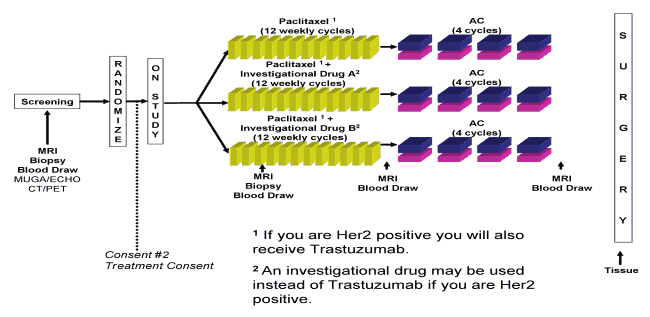
My pet peeve aside, what can we do better? Most of us in oncology believe that the answer will likely come down to personalized medicine based on the genomic profile of each cancer, but how to get from the enormous amount of data from genomic studies of various cancer to actual validated treatments is not at all clear at this stage (other knowing that Stanislaw Burzynski’s doing it wrong). Right now, personalized medicine has a lot of promise but has even more hype with little or nothing as yet in the way of concrete results that clearly benefit patients. Many have been the ideas to overcome these problems and validate genomic-based personalized medicine. Leaf actually mentions an interesting one: The I-SPY2 TRIAL (Investigation of Serial Studies to Predict Your Therapeutic Response with Imaging And moLecular Analysis 2). (Whew, what a name!) It’s a very interesting prototype of how clinical trials might be done in the future, and if it works I can see a lot more trials like this:

The I-SPY 2 TRIAL (Investigation of Serial Studies to Predict Your Therapeutic Response with Imaging And moLecular Analysis 2) is a clinical trial for women with newly diagnosed locally advanced breast cancer to test whether adding investigational drugs to standard chemotherapy is better than standard chemotherapy alone before having surgery. The treatment phase of this trial will be testing multiple investigational drugs that are thought to target the biology of each participant’s tumor. The trial will use the information from each participant who completes the study treatment to help decide treatment for future women who join the trial. This will help the study researchers learn more quickly which investigational drugs will be most beneficial for women with certain tumor characteristics. The I-SPY 2 TRIAL will test the idea of tailoring treatment by using molecular tests to help identify which patients should be treated with investigational drugs. Results of this trial may help make investigational drugs available to more women in the future.

The beauty of this trial is that it uses Bayesian analysis of responses to have the trial, in effect, evolve in response to what is found at earlier stages. My main quibble with the study is that it requires that all subjects undergo pretreatment breast MRI before surgery, which has a tendency to upstage women through the Will Rogers effect and thus result in more mastectomies. I understand that the trial investigators probably wanted advanced imaging to follow tumor response and that MRI can also show blood flow and therefore measure tumor angiogenesis, but I always worry when I see a design like this one, that it might promote unnecessary mastectomies. On the other hand, the inclusion criteria require a tumor that is 2.5 cm in diameter or greater so perhaps this will be less of a problem. That quibble aside, as Leaf describes, it is an intriguing design and it does evolve based on previous results:

In fact, a breast cancer trial called I-SPY 2, already under way, may be a good model to follow. The aim of the trial, sponsored by the Biomarkers Consortium, a partnership that includes the Foundation for the National Institutes of Health, the F.D.A., and others, is to figure out whether neoadjuvant therapy for breast cancer — administering drugs before a tumor is surgically removed — reduces recurrence of the disease, and if so, which drugs work best.

As with the Herceptin model, patients are being matched with experimental medicines that are designed to target a particular molecular subtype of breast cancer. But unlike in other trials, I-SPY 2 investigators, including Dr. Berry, are testing up to a dozen drugs from multiple companies, phasing out those that don’t appear to be working and subbing in others, without stopping the study.

Here’s the design (more details can be found here and here, and some of the investigational drugs tried can be found here):


The difficult part of the study, of course, is designing the algorithms by which drugs are swapped out as they appear not to be working. If these decisions are made willy-nilly, then this trial would be no better than what Burzynski does (i.e., making simplistic guesses). However, there is a sophisticated analysis and algorithm by which treatment decisions are made. It does have to be remembered, though, that, although I-SPY2 does represent personalized medicine, it is not yet full genomic medicine. Most of the biomarker tests used are biomarkers that already exist, and the additional biomarkers measured will not affect patient treatment. This part of the trial is for discovery of biomarkers, not validation.

The bottom line

I’ll be watching the progress of I-SPY2 closely, because it’s a new kind of clinical trial. Whether it will succeed in improving the success of the followup clinical trials of agents identified through I-SPY remains to be seen, as it also remains to be seen whether it will speed up the pace of discovery. I’m probably less hopeful than Clifton Leaf, but that doesn’t mean I’m not hopeful.

So do clinical trials work? It depends on what you mean by “clinical trials” and “work.” I would argue that they do, in fact, still work in that they are still the best method we have to determine whether science-based therapies with preclinical promise actually translate into useful therapies. They’re simply evolving with science, as they must under the “selective pressure” of advances in technology and understanding of biology.

Source

Saturday, 13 July 2013

Artificals sweeteners may harm your health even no-calorie ones

A new research in Trends in Endocrinology & Metabolism along with previous studies indicate that everyone should say goodbye to these no-calorie sweeteners for several important reasons you may not even realize.

What’s not so sweet about artificial sweeteners

If you believe no-calorie artificial sweeteners are safe and healthy, that they can help you lose weight or prevent you from gaining weight, and that they are good to use if you have diabetes, you would not be alone in these beliefs. However, a new study, as well as previous investigations, suggests quite the opposite.

Two thirds of Americans are either overweight or obese, so providing more products with artificial sweeteners should be a good thing, right? One area where consumption of diet products has risen steadily is diet drinks, with a recent report from the Centers for Disease Control and Prevention noting that diet beverage intake increased from 18 percent in 2000 to 21 percent in 2010 among women and from 14 percent to 19 percent among men during the same period.

However, drinking just one artificially sweetened beverage per day may increase your risk for a variety of health problems, including type 2 diabetes, obesity, metabolic syndrome, and cardiovascular disease. If you thought sugar-based drinks were associated with these same risks, you are right.

In fact, according to Susan E. Swithers of Purdue University, the author of a new study, the data to support claims that artificially sweetened drinks help with weight loss, weight gain prevention, and other benefits “are not very strong.” She also stated that “although it seems like common sense that diet sodas would not be as problematic as regular sodas, common sense is not always right.”

What might be considered common sense, however, is avoiding both artificially sweetened and sugar-sweetened beverages, since both types reportedly are associated with major health problems. The reason for this finding, according to the authors, seems to be that artificial sweeteners alter certain patterns in the brain’s pleasure regions, causing people who drink these beverages to not feel satisfied by the sweet taste.

In fact, when lab animals have been given artificial sweeteners, they have tended to highly desire more sweets. The result has been a tendency to overeat sugary, high-calorie foods and gain significant amounts of weight.

Thus the not-so-sweet news for anyone who has been consuming artificially sweetened beverages and foods is that “the intake of sugars needs to be expanded to limit intake of all sweeteners, not just sugars,” according to the study’s author. But there is more.

More health hazards from artificial sweeteners

Let’s look at some previous studies on artificial sweeteners and their potential hazards. Aspartame is a good place to begin, as there are reports that the chemical has a negative impact on brain function.

One new study from the Washington University School of Medicine looked at aspartame (e.g., Equal, NutraSweet) and its safety record. Investigators reported several concerns about aspartame:
Aspartame metabolizes into phenylalanine, aspartic acid, and methanol, and excess phenylalanine has an impact on serotonin and dopamine levels, which are hormones involved in the regulation of appetite, mood, and sleep.

One of aspartame’s metabolites, called diketopiperazine, has cancer-causing properties and plays a role in the development of tumors of the central nervous system. Thus use of foods and beverages that contain aspartame may pose a health hazard.

Other dangers of using artificial sweeteners relate to an increased risk of developing conditions associated with type 2 diabetes, including glucose resistance and insulin resistance. In particular, investigators at Washington University School of Medicine looked at Splenda (sucralose) and its impact on glucose and insulin resistance.

In the study, researchers evaluated the effect of artificial sweeteners among severely obese people who did not have diabetes and who did not use artificial sweeteners regularly. They found that use of an artificial sweetener “was related to an enhanced blood insulin and glucose response.”

A Danish study evaluated the impact of both sugar-based and artificially sweetened beverages on pregnant women. Overall the investigators discovered that high intake of both types of beverages is associated with an increased risk of preterm delivery.

A possible link between artificial sweeteners and cancer has long been debated, with scores of studies indicating an increased risk of various types of tumors in animal studies. Far fewer studies have examined the association in humans.

One example in the latter category is a study that was published in the December 2012 issue of the American Journal of Clinical Nutrition. The Boston-based researchers looked at the intake of artificially sweetened and sugar-based sodas and the risk of leukemia and lymphoma in adults.

The investigators reviewed data from the Nurses’ Health Study and Health Professionals Follow-Up Study, spanning 22 years of information. They found an increased risk of non-Hodgkin lymphomas and multiple myelomas among men (but not women) who consumed at least one diet soda daily when compared with men who did not drink diet soda.

The bottom line is that much controversy and debate surround the use of artificial sweeteners. Scores of studies in animals suggest their use can cause a variety of cancers, allergic reactions, and even neurological problems, yet authorities such as the Food and Drug Administration, the Environmental Protection Agency, and the European Food Safety Authority, among others, have continued to declare these synthetic products are safe for human consumption.

A number of health experts and consumer advocate groups, such as Dr. Andrew Weil and the Center for Science in the Public Interest, have pointed out the health dangers of artificial sweeteners. Weil, for example, explains in a Prevention article that these synthetic sweeteners have “never been shown to help anyone lose weight, and some of them are downright bad for you.”

Weil also warned that “aspartame, saccharin, and sucralose all have been shown to increase the risk of some health problems, including obesity, headaches, and some types of cancer.” Are these products you want to feed to your children and yourself?

Evidence against the safety of artificial sweeteners continues to build, despite resistance from food industry manufacturers and others with a financial interest in their remaining on the market. Perhaps it’s time for everyone who is concerned about their health to say goodbye to artificial sweeteners.

Wednesday, 3 July 2013

Manel Esteller: «Es muy difícil que un tumor sea de origen puramente genético»

¿Usted trabaja en la epigenética ¿cómo definiría este campo?

La epigenética es la regulación del genoma. Una forma muy intuitiva de entenderlo es decir que es lo que hace que personas con el mismo ADN puedan tener enfermedades distintas. Son marcas químicas que, en personas sanas, son importantes para que un gen se exprese en el ojo y no en el corazón y viceversa, pero el problema viene cuando se altera esa programación, ese "software" de la maquinaria celular. Es esta alteración la que produce enfermedades, entre ellas el cáncer.

¿Se trata de una disciplina relativamente joven?

Sí. Las primeras alteraciones epigenéticas en cáncer fueron descritas en la primera mitad de la década de 1980, casi al mismo tiempo que los oncogenes. Sin embargo, grosso modo, solo se veía que estaban alteradas globalmente, pero no se sabía en qué sitio concreto del ADN estaban dichas alteraciones. No fue hasta 1986 que encontramos los primeros genes supresores tumorales que estaban inactivados epigenéticamente.

Y ante el descubrimiento de las alteraciones epigenéticas que producen cáncer, la pregunta lógica es: ¿existen fármacos contra ellas?

Hay en la actualidad cinco medicamentos epigenéticos aprobados para ciertas formas de leucemia y linfomas. Un caso paradigmático es el del síndrome mielodisplásico, un tipo de cáncer para el que solo había tratamiento paliativo. El medicamento epigenético ha cambiado la historia de la enfermedad y los pacientes ahora tienen supervivencias de muchísimos años, algo más valioso aún si tenemos en cuenta que los afectados suelen ser mayores. Además de los cinco ya comentados, están en desarrollo preclínico otras moléculas que actúan contra otros elementos de la maquinaria epigenética que pueden ser útiles no solo para leucemias y linfomas, sino también para sarcomas y neuroblástomas, los tumores pediátricos más frecuentes.

¿Todavía no se pueden aplicar a los tumores sólidos, como el cáncer de pulmón o el de páncreas?

Esta será la siguiente fase, pero se trata de tumores más abigarrados, más complejos. Creemos que, en este campo, será muy útil la combinación de fármacos epigenéticos con otros fármacos que ya están incorporados al arsenal terapéutico.

Cuando se ve a una persona que vive mucho a pesar de factores de riesgo, como el tabaquismo, ¿es siempre una cuestión de genes?

No. Si hablamos del tabaco, aunque el 90% de casos del cáncer de pulmón suceda en fumadores, esto no significa que el 90% de los fumadores desarrollen cáncer de pulmón. La genética contribuye a esto, pero también lo hace la epigenética, ya que el tabaco causa alteraciones tanto en el ADN como en el resto del genoma. Es muy difícil encontrar un tumor que sea puramente genético o epigenético [por alteraciones genéticas provocadas por el ambiente], todos son fruto de una mezcla de alteraciones genéticas y mutaciones u otras marcas típicas epigenéticas.

¿Y no se podría, de alguna forma, imitar artificialmente el genoma de esos afortunados?

El año pasado estudiamos el epigenoma de recién nacidos y de nonagenarios, personas que parecen estar protegidas contra el cáncer, ya que la enfermedad tiene un pico de incidencia hacia los 60-65 años. Estos estudios nos pueden dar las claves de epigenomas que sean protectores contra el cáncer. Se podría pensar que quizás haya conductas o fármacos que ralenticen el envejecimiento, un proceso muy complejo donde hay muchísimos factores, uno de los cuales es la epigenética y que sin duda está asociado al cáncer.

Aunque hay muchos avances en el tratamiento del cáncer, parece que hay algunos que todavía se resisten

Quizás dos casos paradigmáticos serían el cáncer de páncreas y los tumores cerebrales, como el glioma. En páncreas aún no hemos visto estos avances, pero en glioma, por ejemplo, sabemos ya que hay mutaciones epigenéticas y esto abre la ventana a nuevos fármacos. En otro cáncer de mal pronóstico, como es el de pulmón, hacemos avances cada año, aunque sean modestos. Anualmente, conseguimos que un 2% más de pacientes se cure lo que, globalmente, significa que en 10 años habrá un 20% más de curaciones. En cualquier caso, ya se está estudiando el genoma y el epigenoma del paciente para encontrar puntos débiles y eso abrirá muchos caminos a acabar con tumores complicados.

Se ha publicado mucho sobre secuenciación del genoma del cáncer pero, ¿cuál es la implicación práctica?

Ha habido una importante bajada de precio y hoy, por una cantidad razonable de dinero, es posible tener secuenciado el exoma, lo que te da mucha información. Aunque muchos famosos se hacen esa prueba, en realidad los oncólogos tienen suficiente con mirar unos 10 genes, que están asociados a fármacos. Este menú es muy útil y cada vez es más asequible y el número de genes se ampliará sin duda en el futuro.

En ocasiones, se escuchan afirmaciones pseudocientíficas en torno al cáncer, como que se puede curar con una buena actitud o que se puede curar sin quimioterapia. ¿Cómo vivís los especialistas esta tendencia?

Lamentablemente, no hay ningún estudio que pruebe que sea así. El ejemplo más claro quizás sea el del actor Michael Landon, que declaró que iba a luchar contra el cáncer de hígado que le habían detectado y murió una semana después. Ni la fuerza, ni la fe ni otros factores externos protegen de un cáncer de mal pronóstico. Otra cosa distinta es tener una buena inmunidad, unos buenos genes heredados de los padres, no haber tenido mucho contacto con tóxicos. Todo esto crea un sustrato, hace que el cuerpo humano esté más preparado para defenderse de esta invasión. Respecto a las terapias naturales, la recomendación es seguir la medicina basada en la evidencia científica. Si después hay otras posibilidades, siempre que no interfieran con la primera, evidentemente el paciente es libre de elegir las que quiera.

¿Mantiene un investigador básico como usted contacto directo con el cáncer y sus pacientes?

Sí. En primer lugar, mi formación inicial fue como médico. De esa etapa recuerdo casos dramáticos como niños escondiéndose debajo de la cama porque les tenían que cortar una pierna. Pero hoy en día, sigo teniendo contacto. Nuestro laboratorio está en un ambiente hospitalario, no estamos aislados en una torre de marfil en un centro de investigación. Además, a nivel personal, evidentemente he vividos casos de cáncer en la familia, mi madre, mi tío... En realidad los hay en todas las familias. Si encuentras alguna que no, dímelo que la estudiaremos atentamente.

Es inevitable preguntarle por la crisis.

Aunque yo investigo en cáncer, creo que hemos de invertir en investigación de forma global. Es una inversión mínima comparada, por ejemplo, con lo que se gasta en defensa. No solo hay no hay que recortar el presupuesto, es que hay que doblarlo. Es la única forma de salir de esta crisis.

Manuel Esteller
Médico-Doctor especializado en genética molecular
Premio Nacional de Genética 2011 (España)

Tuesday, 2 July 2013

Massagué impulsa la lucha contra los “agentes dormidos” del cáncer

Permanecen años escondidas, pero están ahí, al acecho. Las células que originan la metástasis se desgranan del tumor primario y escapan al torrente sanguíneo. Aún después de haber sido extraído y tratado el cáncer, estos agentes son capaces de esquivar las defensas del organismo y sobrevivir, dormidos, hasta que, se desconoce el motivo, comienzan a crecer de forma muy agresiva. La Fundación BBVA y el Instituto de Investigación Biomédica (IRB) han renovado su programa científico para tratar de entender qué ocurre en este periodo de latencia hasta que se desarrolla la metástasis, responsable del 90% de las muertes por esta enfermedad.

“Imaginemos que alguien tiene un tumor. Estamos en julio. Aún es muy pequeño. Será diagnosticado en diciembre. Durante todo este tiempo, va a estar soltando células, millones de ellas, al torrente sanguíneo. La mayoría morirá. Pero una minoría ridículamente pequeña va a conseguir llegar a algún órgano”, ha explicado esta mañana en la sede de la Fundación BBVA, en Madrid, Joan Massagué, director del Departamento de Genética y Biología Celular del cáncer en el Memorial Sloan-Kettering Cancer Center, en Nueva York, y subdirector del IRB. “El tumor será extraído, el paciente será sometido a quimioterapia, pero esa célula sobrevivirá y, al tiempo, adquirirá las facultades para crecer. Y lo hará de forma agresiva. No sabemos casi nada de este proceso. Lo estamos estudiando”, ha continuado el científico, que coordina el programa de investigación y se refiere a la metástasis como “el enemigo latente”.

Hay más de 200 tipos de cáncer, con mutaciones genéticas propias. Cada tipo de tumor tiene su perfil más típico de zonas en las que desarrollar metástasis. Si bien es cierto que cada enfermedad es un mundo, lo interesante es conocer cuáles son los elementos que se repiten. El programa de investigación oncológica liderado por Massagué, que comenzó en 2006, se centra en el cáncer de mama –el más frecuente en mujeres en Europa y Estados Unidos- y en el de colon. Pulmón, hueso, hígado y cerebro son los lugares más comunes en los que se produce una metástasis, aunque hay variaciones en función del tipo de dolencia. El doctor y su equipo ya han identificado algunos genes implicados en el proceso, incluso han aislado algunas de estas células tumorales y están comprobando cómo se comportan en ratones: cómo crecen “desaforadamente” al ser introducidas en algunos de estos órganos y cómo se mantienen inactivas en el torrente sanguíneo.

No se pueden detectar con ninguna prueba diagnóstica, pero sabemos que estas colonias microscópicas existen, ya que cuando estudiamos el tumor metastásico vemos que sus células provienen del tumor primario”, ha explicado Massagué. Desconocen prácticamente todo del proceso. No saben cuáles son los órganos santuario, aquellos en los que permanecen escondidas hasta que comienzan a crecer. Ni cómo resisten. Pero ya van teniendo algunas certezas. Por ejemplo, saben que todos los agentes que sobreviven lo hacen adheridos a algún tejido. El investigador ha indicado que ya se están aplicando nuevos fármacos e incluso medicamentos desarrollados con anterioridad para otras dolencias que también son útiles en estos casos, aunque ha reconocido que algunos de ellos son “injustificadamente caros”, algo que “deplora” la comunidad médica.

Entre los retos actuales de la investigación en metástasis está el identificar los genes que promueven el proceso y sus funciones. Conocerlos permitiría, en un futuro, una vez diagnosticado el tumor y conocido su perfil genético, estimar el riesgo de cada paciente de desarrollar metástasis, cuándo y en qué órganos. Porque la metástasis “se trata”, pero es más eficaz prevenirla, ha afirmado Massagué. Y ha puesto un ejemplo: el número de personas que muere debido a una metástasis cerebral es 15 veces mayor que el de los fallecidos a causa de un tumor primario en el cerebro. Es preciso, por tanto, actuar en el momento “de la siembra”. Por ello, Massagué ha agradecido al director de la Fundación BBVA, Rafael Pardo, y al director del IRB, Joan Guinovart, que se mantenga este programa, que permitirá, además de avanzar en investigación, la formación de profesionales, con intercambios científicos entre el Medical Sloan-Kettering Cancer Center y el IRB.

Sunday, 30 June 2013

El té verde: mucho más que antioxidantes

Además de ser un maravilloso antioxidante, esta infusión alivia problemas recurrentes de salud, de manera rápida y natural. Algunos de sus principales beneficios son:

Disminuye el riesgo de cáncer: las catequinas del té contienen sustancias anticancerígenas, gracias a los polifenoles. Según un estudio del Instituto Nacional del Cáncer de los Estados Unidos y también el Instituto del Cáncer de China, reveló que quienes bebían, al menos una taza de esta infusión a la semana, tuvieron el 57% menos de riesgo de padecer cáncer de esófago y en las mujeres, aumento a un 60%.

Quema grasas: al ser un agente de termogénesis, ayuda de manera natural a gastar más energías, conllevando un descenso de peso. Acelera el metabolismo mediante los polifenoles (sustancias antioxidantes), aceleran el metabolismo, ayudando a las enzimas digestivas a que trabajen mejor, logrando un efecto adelgazante. Y también, es diurético, es decir colabora el proceso de diuresis, depurando el organismo de toxinas acumuladas.

Reduce el estrés: ciertos compuestos de este té disminuyen la formación y la actividad de radicales libres, reduciendo el estrés. Asimismo, posee un aminoácido llamado L-teanina, cuyo efecto principal es la relajación, sin somnolencia y aumenta los niveles de hormona llamada dopamina que mejora el estado de ánimo.

Sin embargo, esas no son todas sus bondades, sino que sólo unas pocas. El té verde también reduce el riesgo de cáncer, previene enfermedades cardiovasculares, combate el envejecimiento, previene las arrugas, reduce el riesgo de artritis, fortalece los huesos, ayuda a bajar el colesterol, previene la obesidad, es bueno para la diabetes, fortalece la memoria, protege contra el mal de Parkinson, es hepatoprotector, previene la hipertensión, protege de intoxicaciones alimentarias, reduce los niveles de glucosa en la sangre, estimula la inmunidad, evita gripes y resfriados, alivia el asma, combate infecciones en los oídos, contribuye en el tratamiento contra el herpes, previene caries, reduce el estrés y alivia las alergias.

¿Cómo consumirlo?

Según la Escuela de Medicina de Harvard, se debe tomar una taza de té tres veces al día. La hierba debe permanecer en agua caliente de tres a cinco minutos y es mejor si se consume recién macerado.

El mejor momento para beberlo es entre comidas, ya que puede impedir la absorción de hierro de las frutas y vegetales. Y si prefieres tomarlo en el desayuno o durante la comida, el problema se soluciona añadiéndole limón o leche.

Por último, los médicos recomienda beberlo al menos, dos horas antes de dormir, para prevenir el insomnio.

Dieta a base de grasa de pescado fortalece defensas contra cáncer de mama

Estudios revelaron que si las madres embarazadas consumen alimentos ricos en omega-3 durante el período de gestación, podrían reducir los riesgos hasta en un 40 por ciento de esta enfermedad.


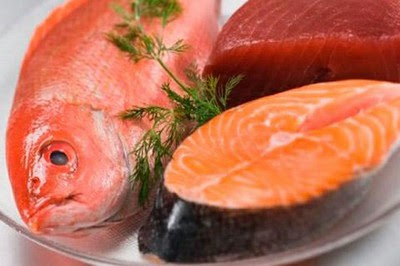
Las mujeres embarazadas que consuman durante los meses de gestación una dieta a base de pescados y otros alimentos ricos en omega-3,como atún, salmón o sardina, podrían reducir el riesgo de sufrir cáncer de mama hasta en un 40 por ciento, según varios estudios públicos de investigadores de universidades en China y Estados Unidos.

Una investigación hecha en la Universidad de Zhejiang en China, determinó que al menos una o dos porciones semanales de pescado azul podría reducir esta enfermedad, debido a que estos alimentos incluyen ciertos tipos de ácidos involucrados en el trasporte químico de información al cerebro, y permite regular el movimiento de los vasos sanguíneos y áreas del sistema inmune.

El estudio fue publicado este viernes por el British Medical Journal y señala que los expertos revisaron datos de 26 estudios realizados en Estados Unidos, Europa y Asia, con la participación de 800 mil individuos y 20 mil de ellos con el cáncer de mama. La comparación de varios experimentos, determinó la asociación inversa entre los ácidos grasos del pescado y el riesgo de padecer cáncer de mama.

Por su parte, un reciente estudio en Estados Unido, presentado en la reunión anual de la American Association for Cancer Research, de Anaheim en California (oeste), coincidió con el estudio anterior, que alimentarse con una dieta rica en ácidos grasos de omega-3 reduce el riesgo, pero advierte que consumir grasas omega-6, que se encuentran generalmente en las dietas occidentales, podrían aumentar el riesgo de los hijos de adquirir cáncer de mama.

El cáncer de mama, es una patología derivada del crecimiento de células malignas en el tejido mamario. Se conocen en la actualidad, dos principales tipos de esta enfermedad, el carcinoma ductal, que comienza en los conductos que llevan la leche desde la mamá hasta el pezón y el carcinoma lobulillar que comienza en partes de las mamas.

Friday, 28 June 2013

5 Reasons a Monsanto Exec Does Not Deserve the World Food Prize


1. No one knows how GMO food will affect our health.
A recent study found that pigs fed GMO corn and soy feed had a notably higher rate of severe stomach inflammation. A study published last September found that rats fed GMO corn developed tumors and died prematurely.
No extensive studies have yet been done on the effects of GMOs on humans. Some potential risks include the introduction of new allergens in our food supply and the development of antibiotic resistance.
2. Some insects are already evolving to become resistant to GMOs.
Rootworms are becoming resistant to GMO crops — disturbingly, as one of the”advantages” of GMOs was supposed to be that insecticides would not have to be used on them. Indeed, sales of corn insecticide made by Syngenta (the company that Chilton is a scientist at) more than doubled in 2012 as a result of “increased grower awareness” of rootworm resistance in the U.S.
3. Monsanto has contributed generously to the the World Food Prize Foundation.
In 2008, Monsanto gave the foundation a pledge of $5 million. The World Food Prize Foundation has also been previously criticized for favoring industrial agriculture; giving the prize to a Monsanto executive seems unlikely to change such criticism.
4. It is illegal to import GMOs to some parts of the world, due to concerns about their safety.
The European Union, Japan and other countries do not allow GMO seed or crops to enter their borders. The EU categorizes GMOs as “new foods” which must be subjected to extensive scientific testing on a case-by-case basis by the European Food Safety Authority (EFSA). After an illegal strain of GMO wheat was recently found on a farm in Oregon, Japan was so concerned that it suspended some wheat imports from the U.S.
GMO seed has been imported to and cultivated in countries in Africa and Asia (including India and China). But millions of small-scale farmers in Africa have repeatedly objected to using GMO crops and want their governments to ban them.
5. GMO crops could wipe out seed diversity.
Farmers in Africa are rejecting GMO crops not only because of the little that we know about them. As Million Belay and Ruth Nyambura write in the Guardian, small-scale African farmers are more than wary about how GMO crops could affect traditional farming practices developed over centuries.
Traditional African farming systems have indeed “developed an incredible diversity of seed varieties, which are able to deal with the multiple challenges of farming.” Many types of seeds have been bred for flavor and nutrition and have also “evolved with local pests and diseases and are adapted to different soils and weather patterns.” Using them, Belay and Nyambura emphasize, is “a far better strategy of resilience than developing a single crop that is bound to fail in the face of climate change.”
Even more, because companies like Monsanto make saving GMO seed illegal, small-scale farmers in Africa could face a huge dilemma. 80 percent of farmers in Africa save seed, say Belay and Nyambura, and “how are they supposed to protect the varieties they have developed, crossed and shared over generations from GM contamination?” Maintaining seed diversity and promoting healthy soil ecology are essential to “real food security” and a strategy more than worthy of recognition — maybe the World Food Prize Foundation will take note of such when choosing future prize recipients.
Source

How High-Fat Extra Virgin Olive Oil is good for your immune system

One tablespoon of high-fat extra virgin olive oil can provide numerous benefits to the immune system.


Skip the butter and stick margarine in the kitchen and use oil — extra virgin olive — to improve your immune system. The consumption of this oil has increased dramatically in recent years with a United States purchase of 292,925 metric tons (MT) in 2011, reports the U.S. Department of Agriculture (USDA) Foreign Agricultural Service (FAS). This high-fat oil contains 73 grams of monounsaturated fatty acids (MUFAs) and is popularly used as for frying and baking as a healthier replacement for vegetable oil. It can also serve as a dressing for salads. Its health benefits derive from its nutritional content of high MUFAs that are considered to be a healthy dietary fat. MUFAs have been linked to lower cholesterol and control the insulin levels in the body as they replace the saturated fats or trans fats that can increase LDL cholesterol levels and the risk of cardiovascular disease.


Extra virgin olive oil is a good source of antioxidants with vitamins E and K that can protect the body from oxygen-free radicals and promote healthy cognitive function, says the USDA. Implementing olive oil in cooking provides numerous health benefits if used correctly. The nutritional value of olive oil is affected by heat, light, and air. For storage, Mayo Clinic recommends to keep the oil in a dark, room-temperature cupboard or in the refrigerator to preserve the healthy fats and the taste that can wither over a long period of time.

Combats Inflammation

The phenolic compound — oleocanthal — found in olive oil has anti-inflammatory properties. A study from the Monell chemical Senses Center in Philadelphia, Pa. examined the effects of daily intake of teaspoons of extra virgin olive oil on pain. Researchers found that four teaspoons of this high-fat oil per day for 12 weeks acted as an anti-inflammatory drug, such as ibuprofen, to reduce pain. While extra virgin oil and ibuprofen have the same effect on treating inflammation, they have different effects on the body. According to Science Daily, ibuprofen can increase bleeding and gastrointestinal damage whereas olive oil has no such effect on the body.

Tip: The amount of oleocanthal differs in olive oils. To see how strong the oleocanthal content is in an olive oil, you can take a sip and see how it stings the back of your throat. The stronger the sting, the more oleocanthal it has, says Arthritis Today.

Combats Diabetes

Diabetics are often told to limit their daily intake of dietary fat because they are at high risk of developing cardiovascular disease. In a landmark government study, it was determined that foods with high MUFAs does not cause weight gain in diabetics and can even reduce the risk of developing type 2 diabetes by approximately 60 percent. MUFAs help diabetics regulate their insulin levels and blood sugar, especially for those who have type 2 diabetes.

Combats Cancer

The consumption of olive oil has been linked to a decrease in tumors of colon, prostate, and breast cancer. Before recent studies, researchers concluded that higher incidences of breast cancer are linked to a high saturated fat diet. In a study published in Annals of Oncology, researchers found that oleic acid — the main MUFA in olive oil — can weaken a cancer gene found in 25 to 30 percent of all breast cancers. What's more, with oleic acid, the effective of the breast cancer drug Herceptin improved dramatically.

Reduces Risk of Cardiovascular Disease

MUFAs in olive oil have been shown to reduce heart problems and rate of heart disease deaths. In a study published in the New England Journal of Medicine, researchers conducted a randomized trial of the Mediterranean diet pattern and its prevention of cardiovascular disease. In Spain, participants who were at high risk of cardiovascular disease but did not develop it yet were assigned to a Mediterranean diet with extra virgin oil, a Mediterranean diet with the addition of mixed nuts, or a control diet with advice on how to reduce dietary fat. Researchers found that a Mediterranean diet with either extra virgin olive oil or mixed nuts can significantly reduce the incidence of cardiovascular disease.

Promotes Healthy Fetal Development

Pregnant women are often advised to include olive oil in their diet due to its high content of omega-3 fatty acids. This heart healthy oil has the ability to improve brain function and learning capacities in young children. The consumption of extra virgin olive oil has been linked to a positive effect on a child's height, weight, and cognitive and behavioral development. In a study published in the Journal of Physiology and Biochemistry, researchers tested the effects of consuming olive oil in relation to body weight gain and foot efficiency as well as placental and fetal development. The results of the study showed that a pregnant rat's consumption of olive oil as the only dietary fat source did not have any detrimental effects on the expectant mother's weight gain or placental and fetal development.