Showing posts with label omega-3. Show all posts

Sunday, 30 June 2013

Dieta a base de grasa de pescado fortalece defensas contra cáncer de mama

Estudios revelaron que si las madres embarazadas consumen alimentos ricos en omega-3 durante el período de gestación, podrían reducir los riesgos hasta en un 40 por ciento de esta enfermedad.
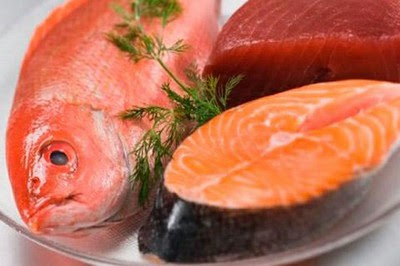

Las mujeres embarazadas que consuman durante los meses de gestación una dieta a base de pescados y otros alimentos ricos en omega-3,como atún, salmón o sardina, podrían reducir el riesgo de sufrir cáncer de mama hasta en un 40 por ciento, según varios estudios públicos de investigadores de universidades en China y Estados Unidos.

Una investigación hecha en la Universidad de Zhejiang en China, determinó que al menos una o dos porciones semanales de pescado azul podría reducir esta enfermedad, debido a que estos alimentos incluyen ciertos tipos de ácidos involucrados en el trasporte químico de información al cerebro, y permite regular el movimiento de los vasos sanguíneos y áreas del sistema inmune.

El estudio fue publicado este viernes por el British Medical Journal y señala que los expertos revisaron datos de 26 estudios realizados en Estados Unidos, Europa y Asia, con la participación de 800 mil individuos y 20 mil de ellos con el cáncer de mama. La comparación de varios experimentos, determinó la asociación inversa entre los ácidos grasos del pescado y el riesgo de padecer cáncer de mama.

Por su parte, un reciente estudio en Estados Unido, presentado en la reunión anual de la American Association for Cancer Research, de Anaheim en California (oeste), coincidió con el estudio anterior, que alimentarse con una dieta rica en ácidos grasos de omega-3 reduce el riesgo, pero advierte que consumir grasas omega-6, que se encuentran generalmente en las dietas occidentales, podrían aumentar el riesgo de los hijos de adquirir cáncer de mama.

El cáncer de mama, es una patología derivada del crecimiento de células malignas en el tejido mamario. Se conocen en la actualidad, dos principales tipos de esta enfermedad, el carcinoma ductal, que comienza en los conductos que llevan la leche desde la mamá hasta el pezón y el carcinoma lobulillar que comienza en partes de las mamas.

Friday, 28 June 2013

How High-Fat Extra Virgin Olive Oil is good for your immune system

One tablespoon of high-fat extra virgin olive oil can provide numerous benefits to the immune system.


Skip the butter and stick margarine in the kitchen and use oil — extra virgin olive — to improve your immune system. The consumption of this oil has increased dramatically in recent years with a United States purchase of 292,925 metric tons (MT) in 2011, reports the U.S. Department of Agriculture (USDA) Foreign Agricultural Service (FAS). This high-fat oil contains 73 grams of monounsaturated fatty acids (MUFAs) and is popularly used as for frying and baking as a healthier replacement for vegetable oil. It can also serve as a dressing for salads. Its health benefits derive from its nutritional content of high MUFAs that are considered to be a healthy dietary fat. MUFAs have been linked to lower cholesterol and control the insulin levels in the body as they replace the saturated fats or trans fats that can increase LDL cholesterol levels and the risk of cardiovascular disease.


Extra virgin olive oil is a good source of antioxidants with vitamins E and K that can protect the body from oxygen-free radicals and promote healthy cognitive function, says the USDA. Implementing olive oil in cooking provides numerous health benefits if used correctly. The nutritional value of olive oil is affected by heat, light, and air. For storage, Mayo Clinic recommends to keep the oil in a dark, room-temperature cupboard or in the refrigerator to preserve the healthy fats and the taste that can wither over a long period of time.

Combats Inflammation

The phenolic compound — oleocanthal — found in olive oil has anti-inflammatory properties. A study from the Monell chemical Senses Center in Philadelphia, Pa. examined the effects of daily intake of teaspoons of extra virgin olive oil on pain. Researchers found that four teaspoons of this high-fat oil per day for 12 weeks acted as an anti-inflammatory drug, such as ibuprofen, to reduce pain. While extra virgin oil and ibuprofen have the same effect on treating inflammation, they have different effects on the body. According to Science Daily, ibuprofen can increase bleeding and gastrointestinal damage whereas olive oil has no such effect on the body.

Tip: The amount of oleocanthal differs in olive oils. To see how strong the oleocanthal content is in an olive oil, you can take a sip and see how it stings the back of your throat. The stronger the sting, the more oleocanthal it has, says Arthritis Today.

Combats Diabetes

Diabetics are often told to limit their daily intake of dietary fat because they are at high risk of developing cardiovascular disease. In a landmark government study, it was determined that foods with high MUFAs does not cause weight gain in diabetics and can even reduce the risk of developing type 2 diabetes by approximately 60 percent. MUFAs help diabetics regulate their insulin levels and blood sugar, especially for those who have type 2 diabetes.

Combats Cancer

The consumption of olive oil has been linked to a decrease in tumors of colon, prostate, and breast cancer. Before recent studies, researchers concluded that higher incidences of breast cancer are linked to a high saturated fat diet. In a study published in Annals of Oncology, researchers found that oleic acid — the main MUFA in olive oil — can weaken a cancer gene found in 25 to 30 percent of all breast cancers. What's more, with oleic acid, the effective of the breast cancer drug Herceptin improved dramatically.

Reduces Risk of Cardiovascular Disease

MUFAs in olive oil have been shown to reduce heart problems and rate of heart disease deaths. In a study published in the New England Journal of Medicine, researchers conducted a randomized trial of the Mediterranean diet pattern and its prevention of cardiovascular disease. In Spain, participants who were at high risk of cardiovascular disease but did not develop it yet were assigned to a Mediterranean diet with extra virgin oil, a Mediterranean diet with the addition of mixed nuts, or a control diet with advice on how to reduce dietary fat. Researchers found that a Mediterranean diet with either extra virgin olive oil or mixed nuts can significantly reduce the incidence of cardiovascular disease.

Promotes Healthy Fetal Development

Pregnant women are often advised to include olive oil in their diet due to its high content of omega-3 fatty acids. This heart healthy oil has the ability to improve brain function and learning capacities in young children. The consumption of extra virgin olive oil has been linked to a positive effect on a child's height, weight, and cognitive and behavioral development. In a study published in the Journal of Physiology and Biochemistry, researchers tested the effects of consuming olive oil in relation to body weight gain and foot efficiency as well as placental and fetal development. The results of the study showed that a pregnant rat's consumption of olive oil as the only dietary fat source did not have any detrimental effects on the expectant mother's weight gain or placental and fetal development.

Sunday, 23 June 2013

Avocado Health Benefits

It has achieved this distinction because many nutritionists claim it not only contains everything a person needs to survive — but it has also been found to contribute to the prevention and control of Alzheimer’s, cancer, heart disease, diabetes and other health conditions.
The avocado, also called the alligator pear, is a high-fiber, sodium- and cholesterol-free food that provides nearly 20 essential nutrients, including fiber, is rich in healthy monounsaturated and polyunsaturated fats (such as omega-3 fatty acids), vitamins A, C, D, E, K and the B vitamins (thiamine, riboflavin, niacin, pantothenic acid, biotin, vitamin B-6, vitamin B-12 and folate) — as well as potassium.

Foods naturally rich in omega-3 fatty acids, such as avocados, are widely acknowledged as the secret to a healthy heart, a brilliant brain and eagle eyes.

Dr. Daniel G. Amen, a clinical neuroscientist, psychiatrist, brain-imaging expert and author of the New York Times bestseller Change Your Brain, Change Your Life counts avocados as one of the top brain-healthy foods that can help prevent Alzheimer’s Disease.

That’s not only because of the avocado’s health benefits omega-3 fatty acid content but also its…
Vitamin E content — An international journal called Alzheimer’s Disease and Associated Disorders, reported its findings from years of clinical trials — high doses of Vitamin E can neutralize free radicals and the buildup of proteins to reverse the memory loss in Alzheimer’s patients; reverse symptoms of Alzheimer’s in the early stages and retard the progression of the disease;
Folate content — helps to prevent the formation of tangled nerve fibers associated with Alzheimer’s.
The virtues and benefits of the avocado are too numerous to mention.

But Here Are Just a Few More Avocado Health Benefits That Its Nutritional Profile Provides:
  • Monounsaturated Fats — These types of fats help control triglycerides in the bloodstream, lower blood cholesterol and control diabetes
  • Folate — This water-soluble B vitamin promotes healthy cell and tissue development. According to the National Institute of Health’s Office of Dietary Supplements, “This is especially important during periods of rapid cell division and growth such as infancy and pregnancy. Folate is also essential for metabolism of homocysteine and helps maintain normal levels of this amino acid.”
  • Lutein — This is a carotenoid (a natural pigment) that protects against cataracts and certain types of cancer, and reduces the risk of macular degeneration, the leading cause of blindness in adults 65 years of age and older. Avocados contain 3 or more times as much lutein as found in other common vegetables and fruits.
  • Oleic acid and Potassium — Both of these nutrients also help in lowering cholesterol and reducing the risk of high blood pressure.
You can add these avocado benefits to your diet in many ways:

1) The easiest way is to cut the avocado in half and sprinkle it with herbal seasoning or maple syrup.
2) Chop the avocado and add it to a salad, or use it as a topping or side garnish for soup.
3) Mash an avocado and spread it on bread or a bagel (in place of butter or cream cheese).
4) Cut an avocado in half and fill the little hollow (left after you remove the pit) with your favorite healthy topping such as herbed rice or couscous.
5) Make an avocado dressing or the crowd-pleasing guacamole dip to add flavor to raw or steamed vegetables. You can easily find many avocado recipes online.

Blended with fruit, avocados make a rich and delicious snack, side dish or dessert — and produces highly-nutritious baby food which delivers “good fat” for baby’s brain and physical development.

Before you indulge in avocados to your heart’s content, however, remember that they have lots of calories because of their fat content. According to WebMD, “A medium-sized avocado contains 30 grams of fat, as much as a quarter-pound burger”.

They’re finding that most of the fat in an avocado is monounsaturated — the “good” kind that actually lowers cholesterol levels. Thanks to this new understanding, the U.S. government recently revised its official nutrition guidelines to urge Americans to eat more avocados.

Source